


%20copy.jpg)

%402x.svg)
There is something distinctive about the beaches of South Lombok. They do not arrive all at once.
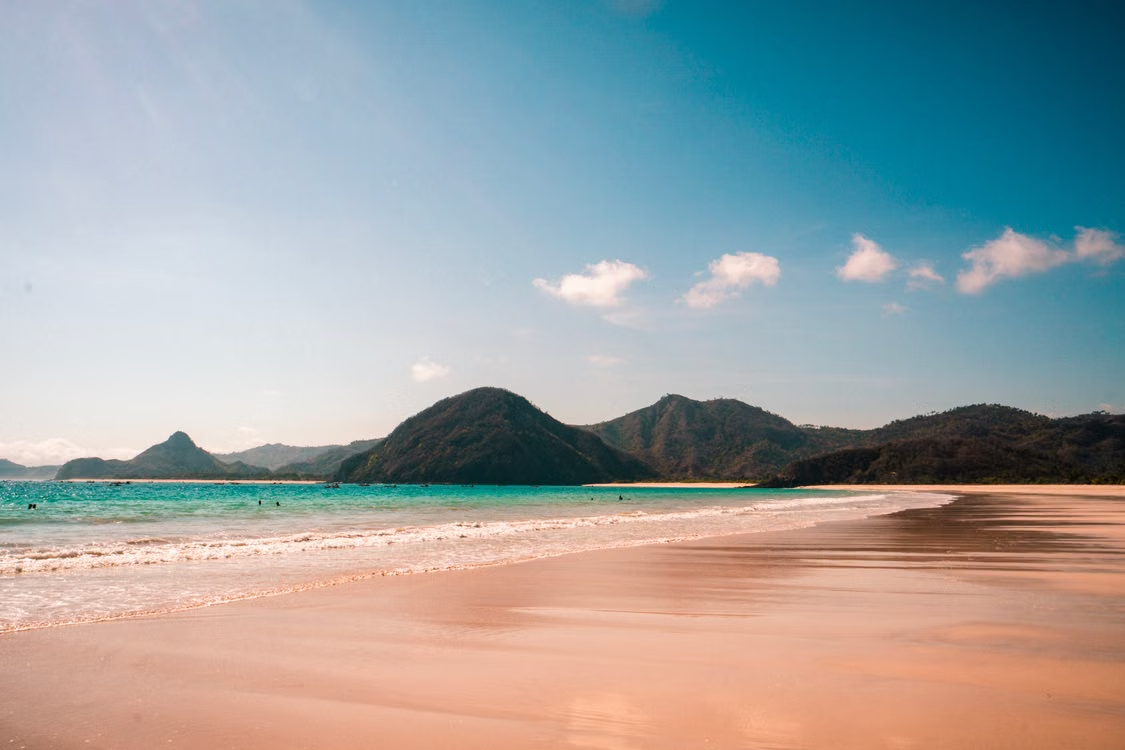
Instead, the coastline unfolds gradually: a road through rice fields, a bend between dry-season hills, a glimpse of blue beyond the trees, and finally a bay opening out beneath the sky. Each beach has its own character, shaped by its orientation, landscape and relationship with the surrounding villages.
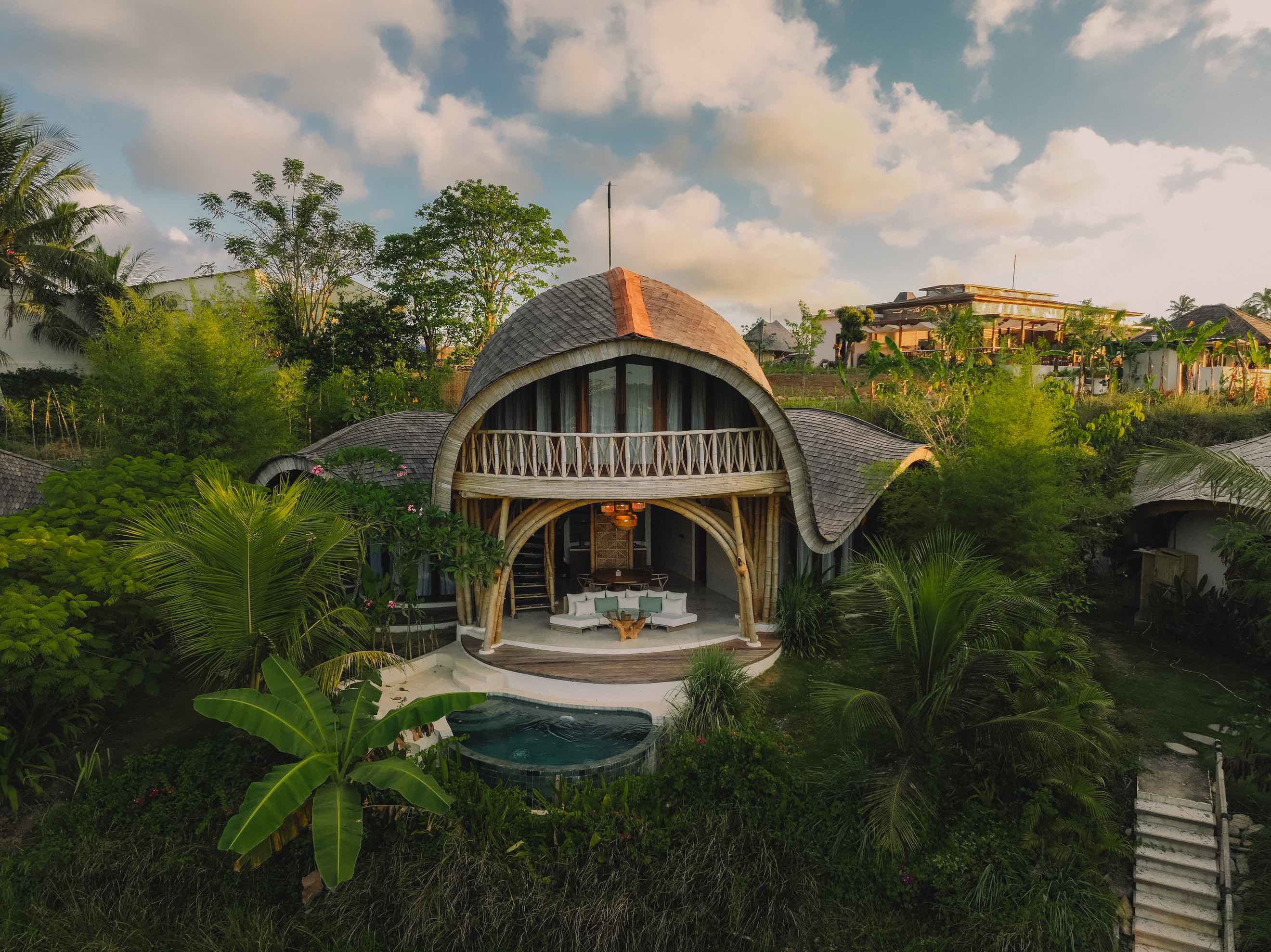
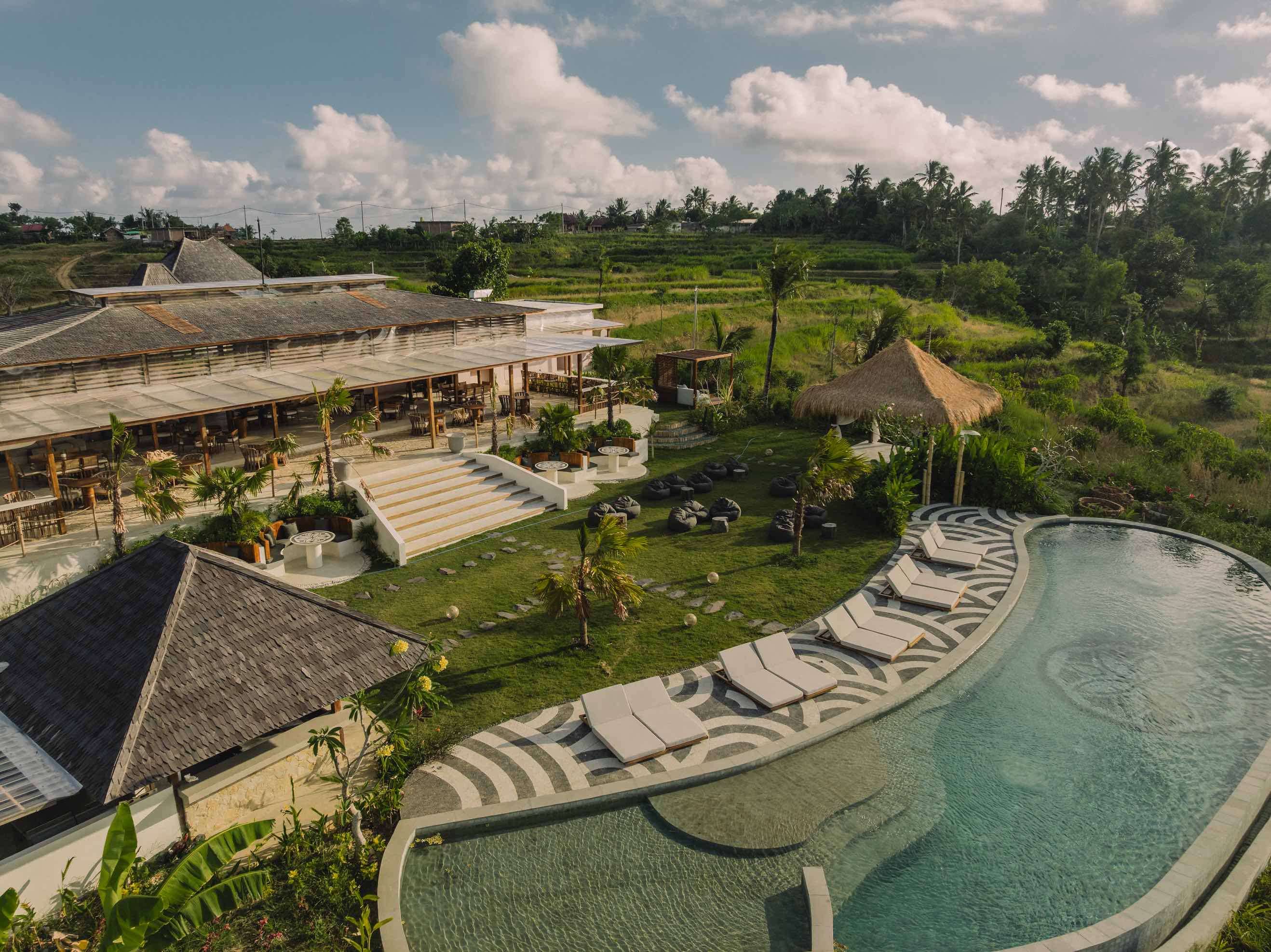
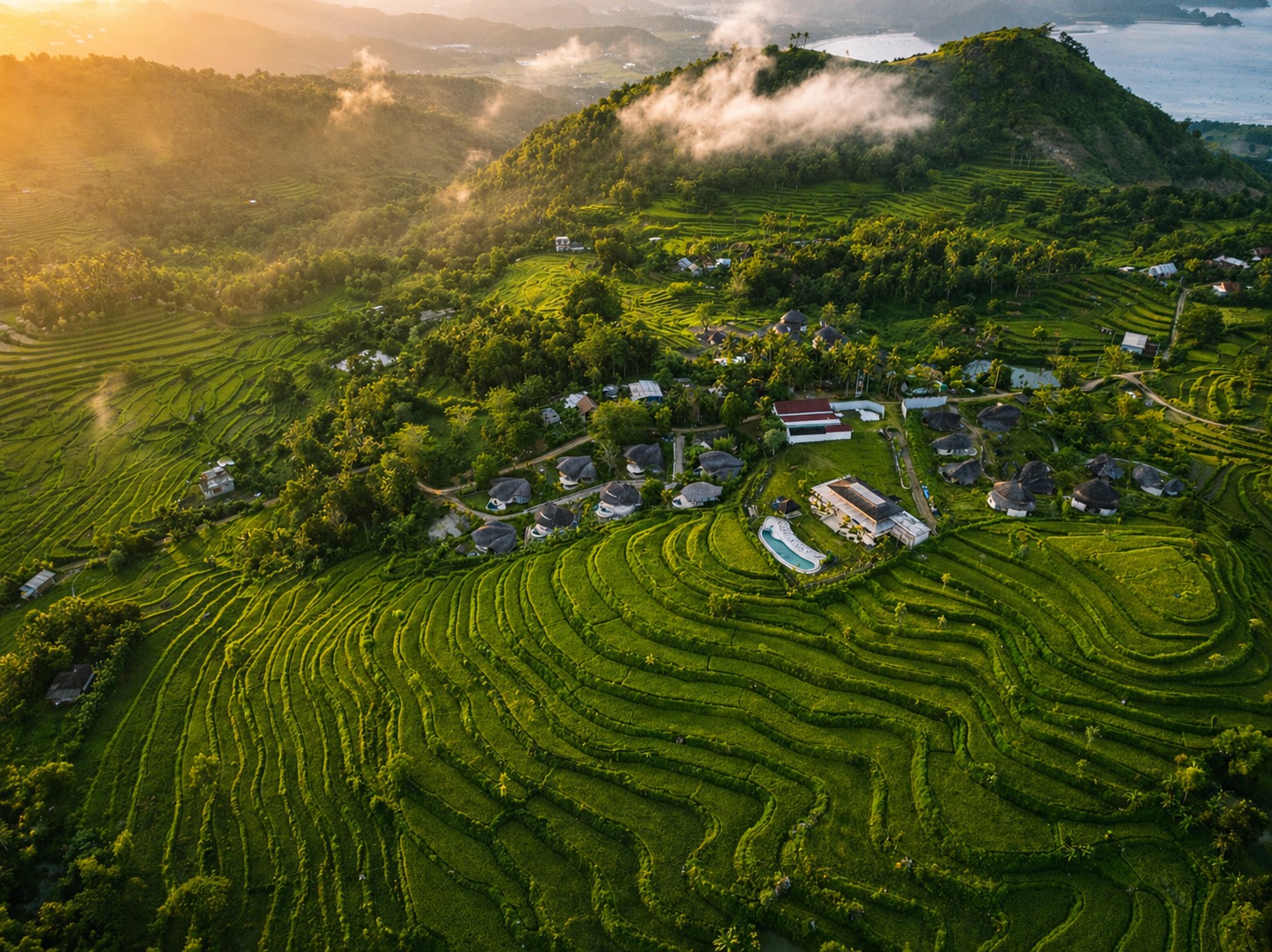
This is part of what makes staying in South Lombok different from staying directly on a beach. At Mandala Eco-Resort, the experience begins inland, among hills, palms and cultivated landscapes, while some of the island's most memorable coastlines remain within reach by road. The resort's own philosophy is built around this relationship with the landscape rather than separating guests from it.
From Mandala, Selong Belanak is one of the closest major beaches, while Mawi, Lancing and Mawun offer different versions of the southern coast. Further east, Tanjung Aan makes a longer but rewarding day out.
The best choice depends less on finding the single "best" beach and more on what kind of day you want: learning to surf, swimming in calm water, walking without a plan, watching the light change, or simply sitting somewhere with very little to do.
Read More: A Journey to Rumpang Rumeneng Waterfall: Lombok’s Hidden Escape into Nature
Selong Belanak: The Beach for a First Wave
Selong Belanak is perhaps the most accessible introduction to South Lombok's coastline. From Mandala, the drive is roughly 20–30 minutes depending on the route and road conditions.
The beach is a long, gently curving bay framed by low hills. Its broad stretch of sand gives the coastline a sense of openness, while the waves are generally more forgiving than the exposed breaks found elsewhere along the southern coast. For this reason, Selong Belanak has become one of Lombok's best-known places for beginner surfing.
There is something particularly enjoyable about watching the beach early in the morning. Surf instructors begin preparing boards, local vendors open for the day, and the first waves arrive with relatively little disturbance. For someone learning to surf, the beach offers enough movement to make the experience exciting without immediately becoming intimidating.
But Selong Belanak is not only for surfers.
The wide bay makes it easy to walk along the shoreline, sit beneath the shade, or simply watch the changing surface of the water. It is more developed and busier than some of the quieter beaches further along the coast, and that is worth knowing before visiting. The beach has become an established destination, with surf schools, warungs and visitor facilities forming part of its character.
The quieter experience is usually found earlier in the day, before the beach becomes more active.
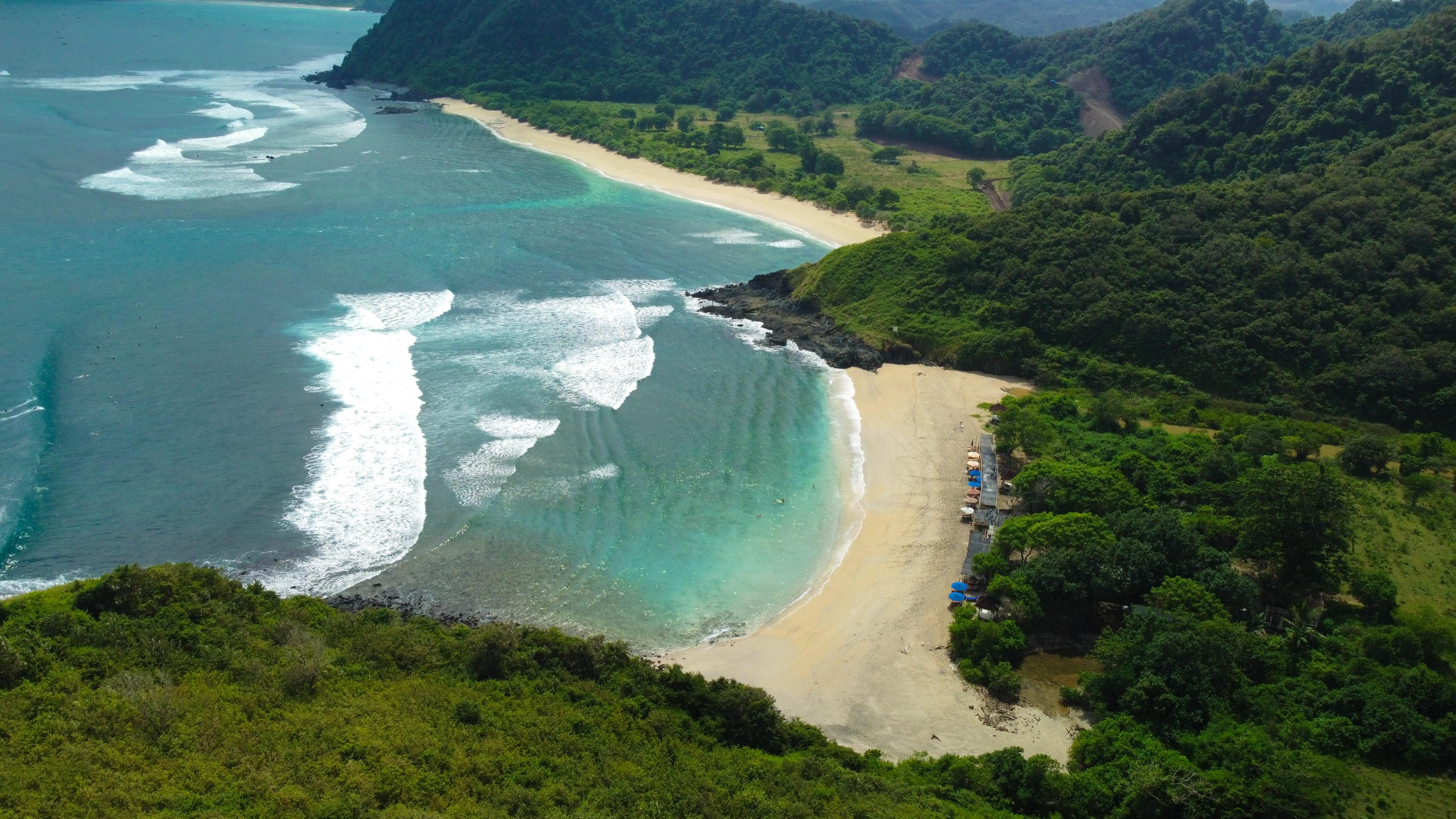
Mawi: Where the Coast Becomes More Wild
A little further west, Mawi feels noticeably different.
The beach sits between Selong Belanak and Mawun, tucked into a smaller bay surrounded by hills. From Mandala, expect the journey to take roughly 35–45 minutes, depending on traffic and road conditions.
Mawi is best known as a surf destination, particularly for intermediate and experienced surfers. Its waves can be considerably more demanding than those at Selong Belanak, making it less about learning your first technique and more about choosing the right conditions and understanding the ocean.
Even without a surfboard, however, Mawi is worth the drive.
The approach itself is part of the experience. South Lombok's landscape becomes increasingly open as you travel away from the more established centres, with hills, farmland and small settlements forming the transition between inland life and the coast.
At Mawi, the scale is smaller. The beach feels enclosed by its surrounding landscape, and the relationship between the sand, hills and Indian Ocean is more immediate.
For visitors interested in photography, this is one of the beaches where the landscape matters as much as the water. The hills create a natural frame around the bay, while changing light can make the same beach look completely different from morning to late afternoon.
Mawi also demonstrates why South Lombok is better understood as a collection of coastal landscapes rather than a single beach destination. Two beaches can be relatively close to one another and still offer entirely different experiences.
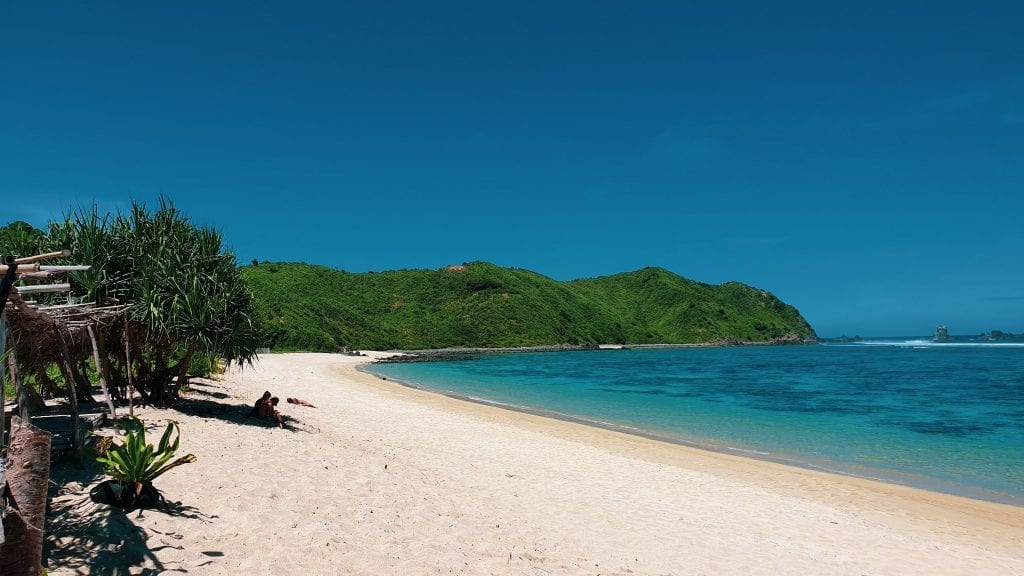
Lancing: A Beach for Doing Less
Between the better-known beaches of South Lombok are quieter stretches of coastline that receive far less attention. Lancing is one of them.
Located west of Kuta and within roughly 35–45 minutes of Mandala by road, Lancing is a long, open beach that feels less structured than Selong Belanak.
There is no need to arrive with a schedule.
Lancing is particularly suited to the kind of beach day that has very little planned around it: walking barefoot, reading in the shade, eating something simple at a local warung, or watching the water without feeling the need to get in.
Its quieter character also offers a useful perspective on the southern coast. Not every beach needs to become a major attraction to be valuable. Some of Lombok's appeal comes precisely from the spaces between the destinations—the roads, small villages, agricultural land and stretches of coastline where the landscape remains the main feature.
For a slower afternoon, Lancing can be a better choice than chasing the most photographed view.
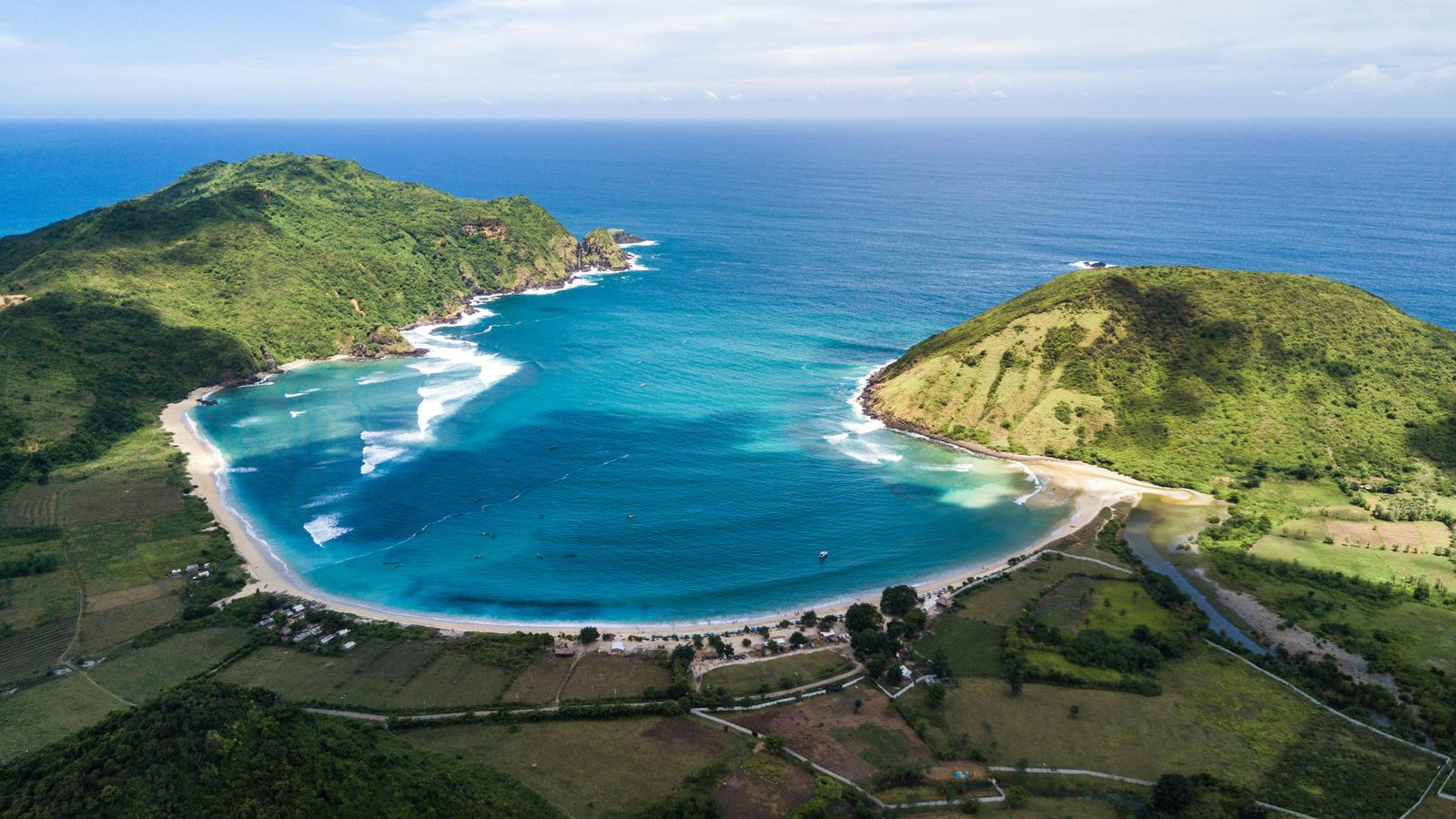
Mawun: A Natural Amphitheatre
Further east, Mawun is one of the most visually distinctive beaches in the area.
The bay curves into a broad horseshoe, enclosed by green headlands on either side. Its shape provides a natural sense of shelter, and the water near the shore can be calmer than at more exposed beaches along the south coast.
From Mandala, the drive is longer—roughly 40–60 minutes depending on the route and traffic—but Mawun can easily become part of a longer coastal day.
What makes Mawun interesting is its sense of enclosure.
Standing on the sand, the headlands frame the water almost like an outdoor room. The beach feels protected without feeling enclosed, and the surrounding hills remain a dominant part of the view.
It is also a useful reminder that the character of a beach is not determined by sand and water alone. The topography surrounding a bay changes how people experience it—how the wind moves, how the waves enter, how the horizon is framed and how long the eye can rest on a particular view.
This relationship between landscape and human experience is something that also sits at the heart of Mandala. The resort was designed around existing natural qualities rather than treating the landscape as something to be cleared and replaced. Its villas, gardens and open spaces are intended to remain connected to the surrounding environment.
A visit to Mawun makes that idea easy to understand.
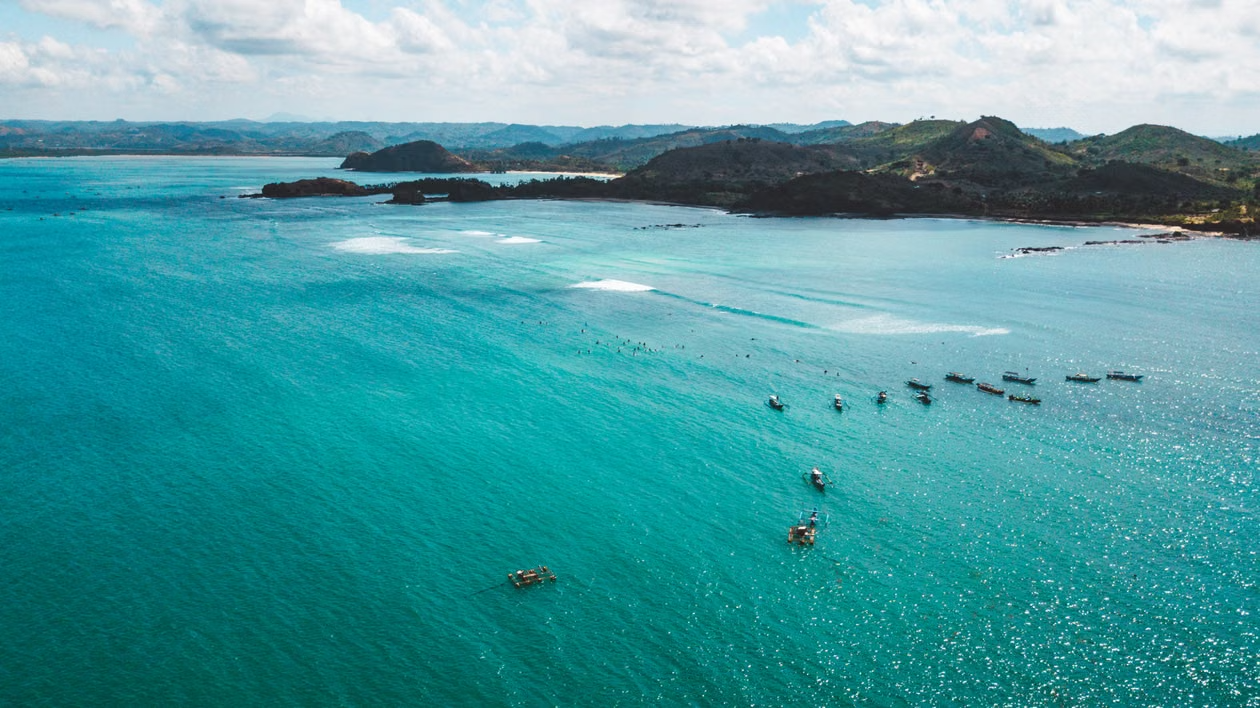
Tanjung Aan: A Different Kind of South Coast
For a longer outing, head east toward Tanjung Aan.
It is farther from Mandala than the beaches to the west, but the journey offers a different view of South Lombok and makes sense as part of a full day exploring the coast. Tanjung Aan is one of the region's most recognisable bays, known for its broad beach, clear water and distinctive variations in sand texture.
The beach is particularly interesting because it does not look quite the same from one end to the other. Different sections of the shoreline have noticeably different textures, while the surrounding hills create changing perspectives across the bay.
At the western end, Merese Hill provides a higher viewpoint over the coastline. The walk is short but exposed, and the view becomes particularly atmospheric toward sunset.
Tanjung Aan can be busier than some of the beaches further west, especially during popular hours. Rather than arriving simply to collect a photograph, it is worth giving the landscape time. Walk along the bay, explore both ends, and let the changing position of the sun alter the colour of the water.
That slower approach often reveals more than the first viewpoint does.
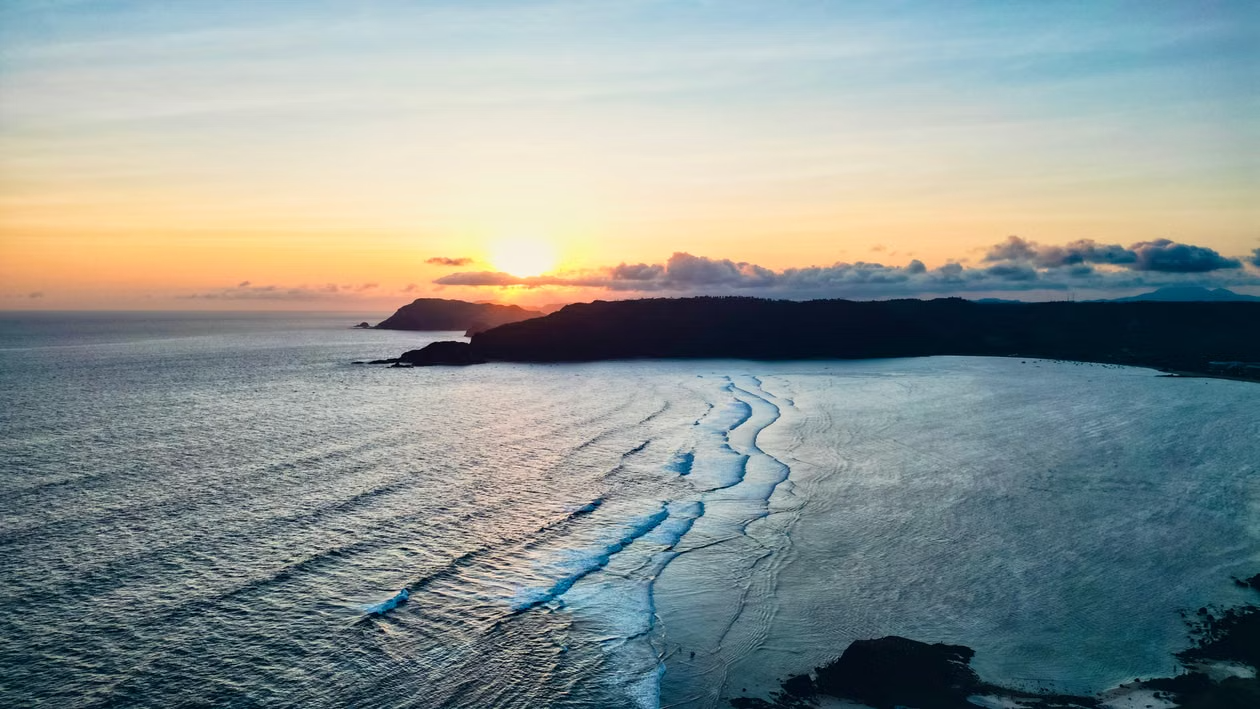
Choosing a Beach by the Kind of Day You Want
The southern coast is easiest to appreciate when you stop trying to rank it.
Selong Belanak is the natural choice for a first surf lesson and an easy introduction to the coast. Mawi is better suited to experienced surfers and visitors who want a more rugged setting. Lancing offers space and quiet, while Mawun rewards those looking for calm water and a dramatic natural setting. Tanjung Aan is the longer excursion: more expansive, more recognisable, and especially rewarding when paired with Merese Hill.
The roads connecting them are part of the experience, too.
From Mandala, a beach day does not have to mean leaving one resort and arriving at another tourist enclave. It can mean passing through villages, seeing farmers working the land, stopping for something to drink, noticing how the landscape changes between the hills and the coast, and eventually reaching the ocean.
That is perhaps the most meaningful way to experience South Lombok.
Mandala's location allows guests to return from the coast to a quieter inland landscape, where the rhythm changes again. The resort sits among hills and greenery rather than directly on a busy beachfront, with its architecture, gardens and villas designed to work with the surrounding landscape. Its approach to hospitality is similarly rooted in slower living, local relationships and a closer connection to nature.
The result is not a choice between beach and retreat.
It is the possibility of experiencing both.
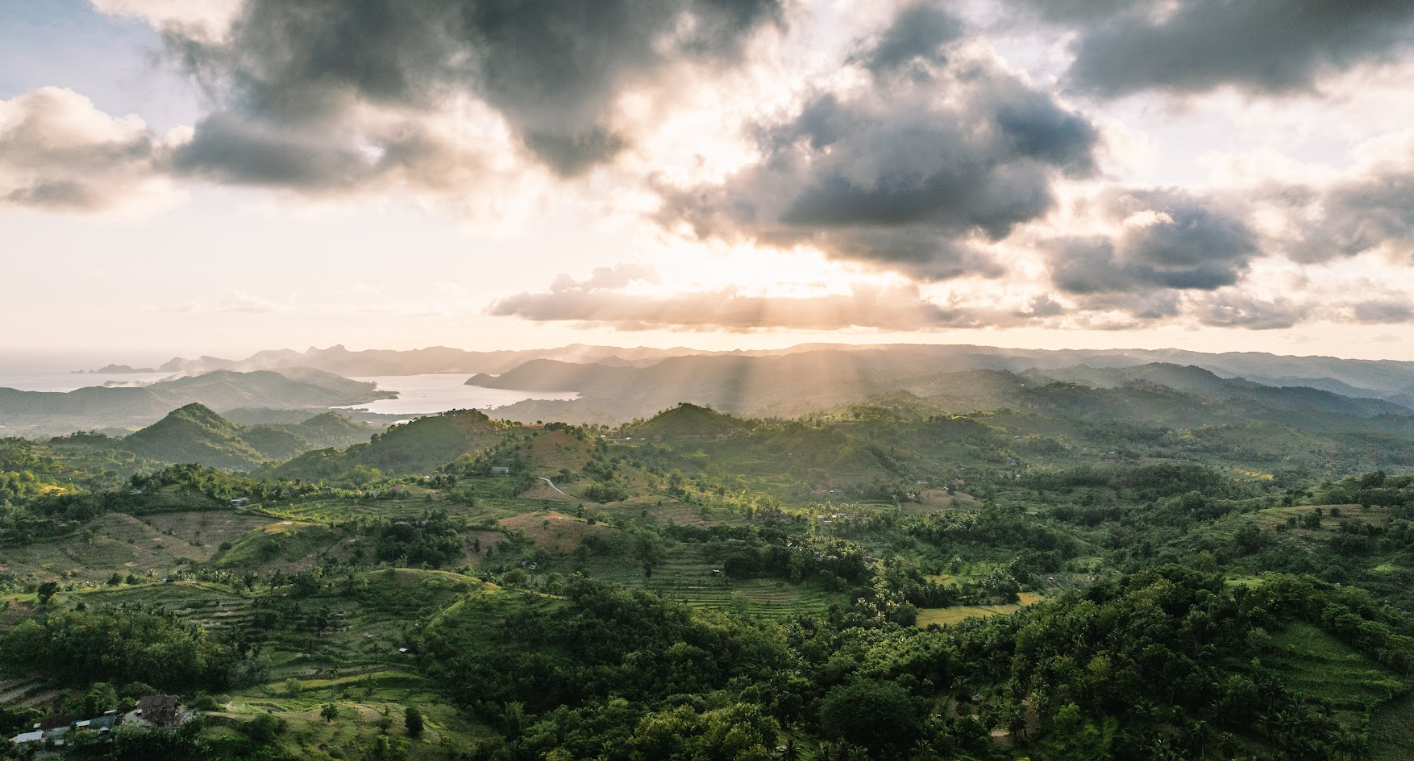
A Coast Worth Taking Slowly
South Lombok's beaches are often described through familiar words: white sand, turquoise water, hidden bays, perfect sunsets.
Those descriptions are not necessarily wrong, but they miss something important.
The real character of this coastline lies in its differences. A beginner's first wave at Selong Belanak feels nothing like watching an experienced surfer at Mawi. The enclosed calm of Mawun is different from the open horizon at Tanjung Aan. Lancing's quietness offers something that a more developed beach cannot.
Together, they form a coastline that rewards curiosity rather than checklists.
From Mandala, there is no need to decide which beach is objectively the best. Instead, choose the beach that suits the pace of the day.
Leave early for the first waves. Take the longer road when there is no reason to hurry. Stop when the landscape catches your attention. Stay until the light changes.
In South Lombok, the journey between places is often part of what makes the places worth reaching.



%402x%20(dark).svg)
%402x%20(dark).svg)
%402x.svg)


