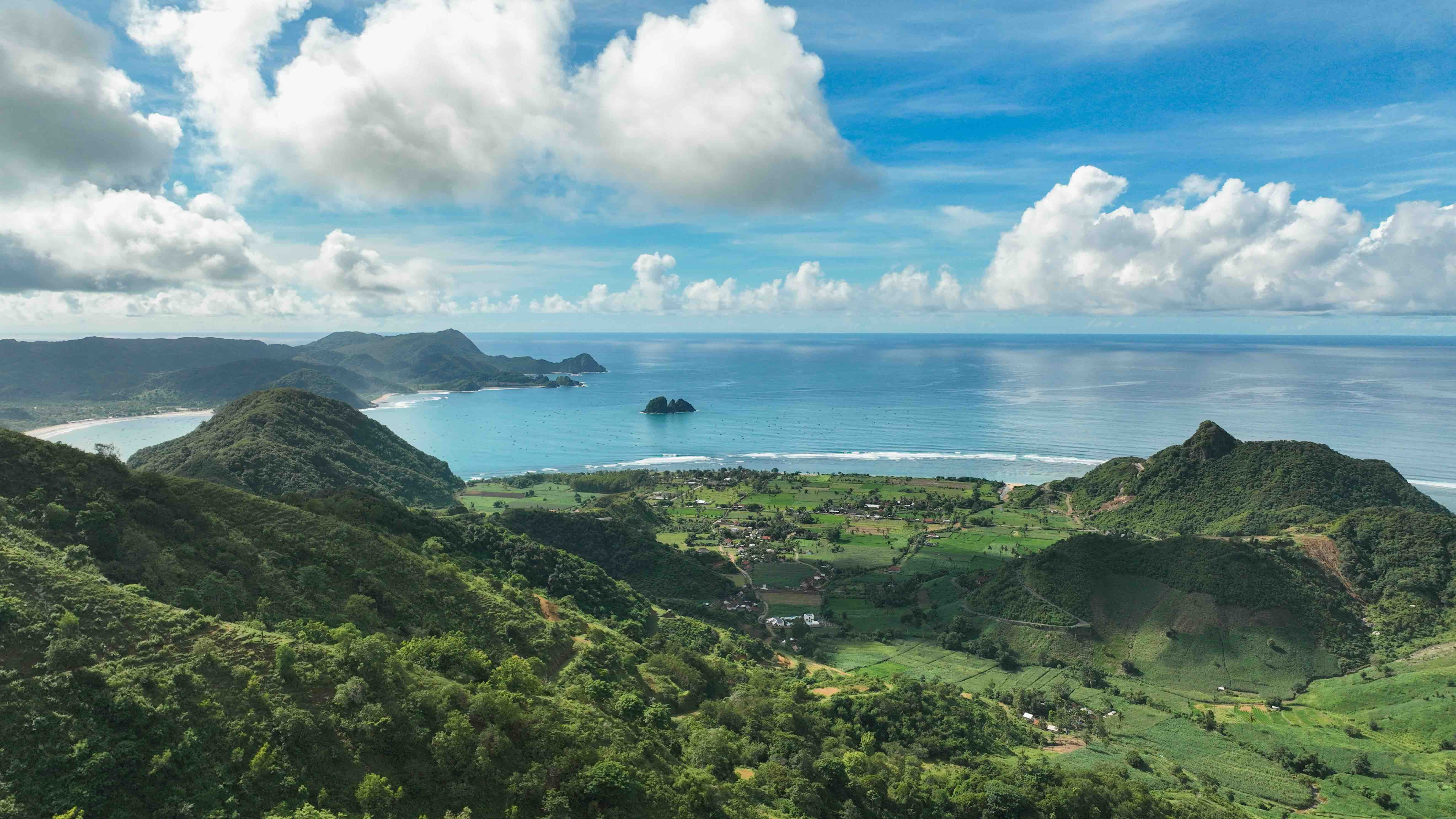
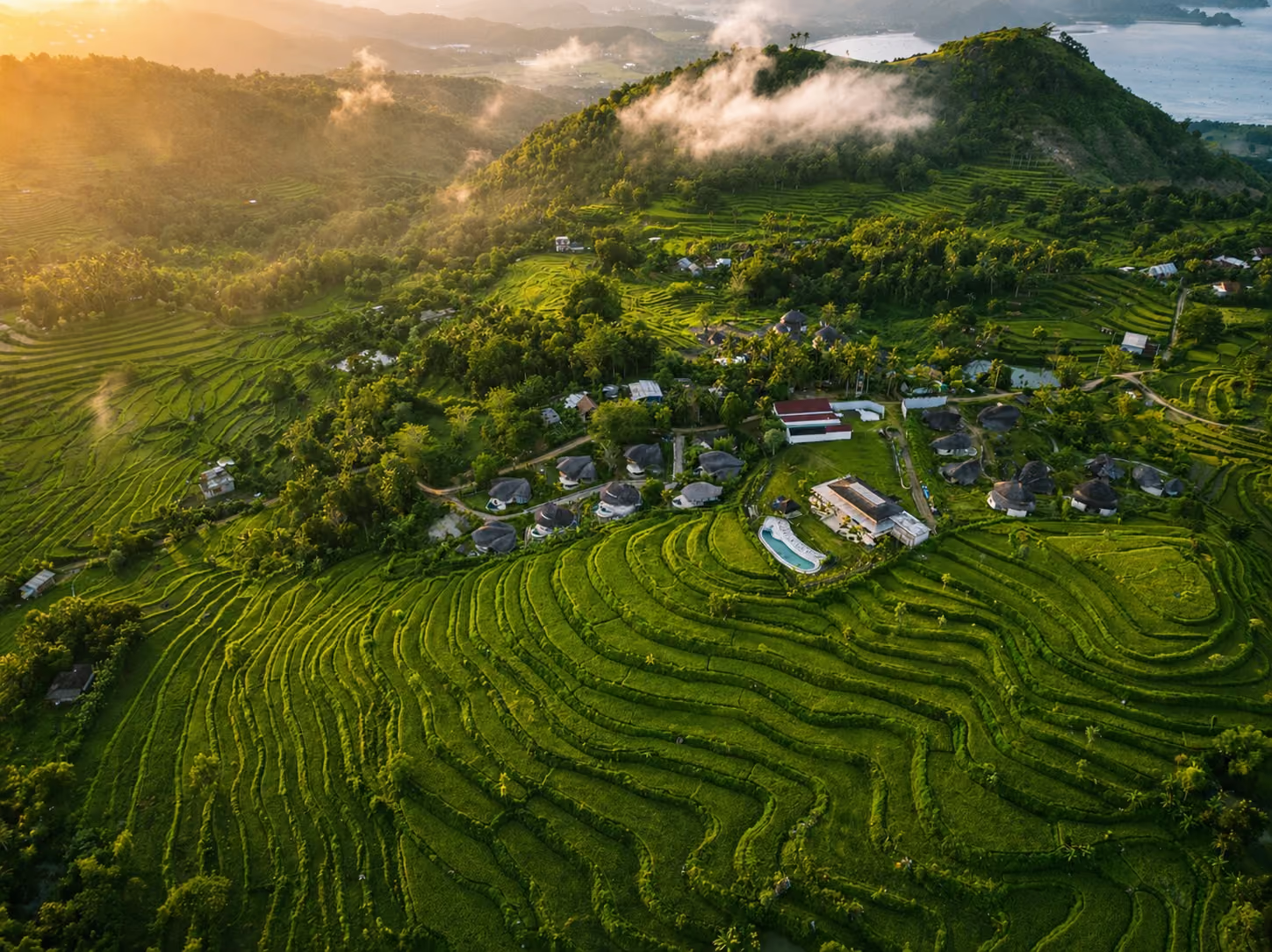


There is a particular feeling that comes with travelling through Lombok.
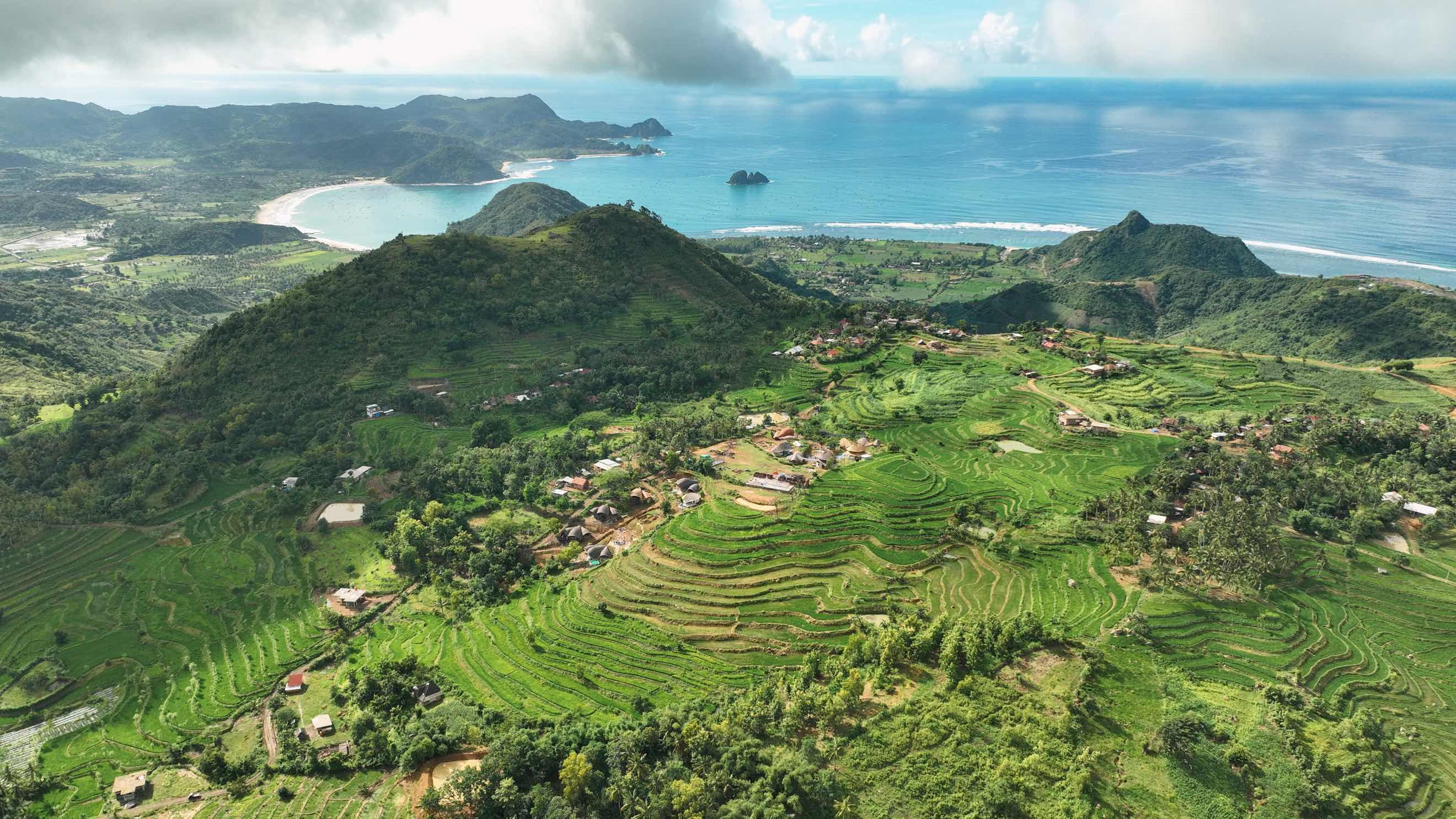
The roads seem to invite a slower pace. A journey between two places can take you past coconut palms, small villages, rice fields, dry hills and stretches of coastline before you realise how much you have seen without ever having stopped to look for it. In the south, the landscape changes constantly: green fields after rain give way to golden grass, then to limestone hills and open views of the Indian Ocean.
Lombok has become increasingly visible on the international travel map, particularly around Kuta and the Mandalika region. Yet beyond its growing collection of cafés, villas and beaches, the island still offers something that is increasingly difficult to find in more developed destinations: the possibility of travelling without filling every hour.
This is where slow travel becomes more than a style of holiday.
It becomes a way of paying attention.
Read More: Local Culture and Food: Understanding Lombok Through the Table
The Value of Going Somewhere Slowly
Slow travel is sometimes mistaken for simply staying longer. In reality, it is less about the number of days and more about how those days are experienced.
Rather than moving from one attraction to another, slow travel leaves room for ordinary moments: breakfast that lasts an hour, a walk without a destination, a conversation with someone from the village, or an afternoon spent watching clouds move across the hills.
Lombok lends itself naturally to this way of travelling.
Its attractions are spread across a diverse landscape rather than concentrated into a single urban centre. The south coast alone offers beaches such as Tanjung Aan, Selong Belanak, Gerupuk and Seger, while the hills and inland villages reveal a different side of the island. Further north, Mount Rinjani and its surrounding landscapes create an entirely different experience again. The Rinjani-Lombok region is recognised as a UNESCO Global Geopark, reflecting the geological and cultural significance of the landscape.
The distance between places becomes part of the experience.
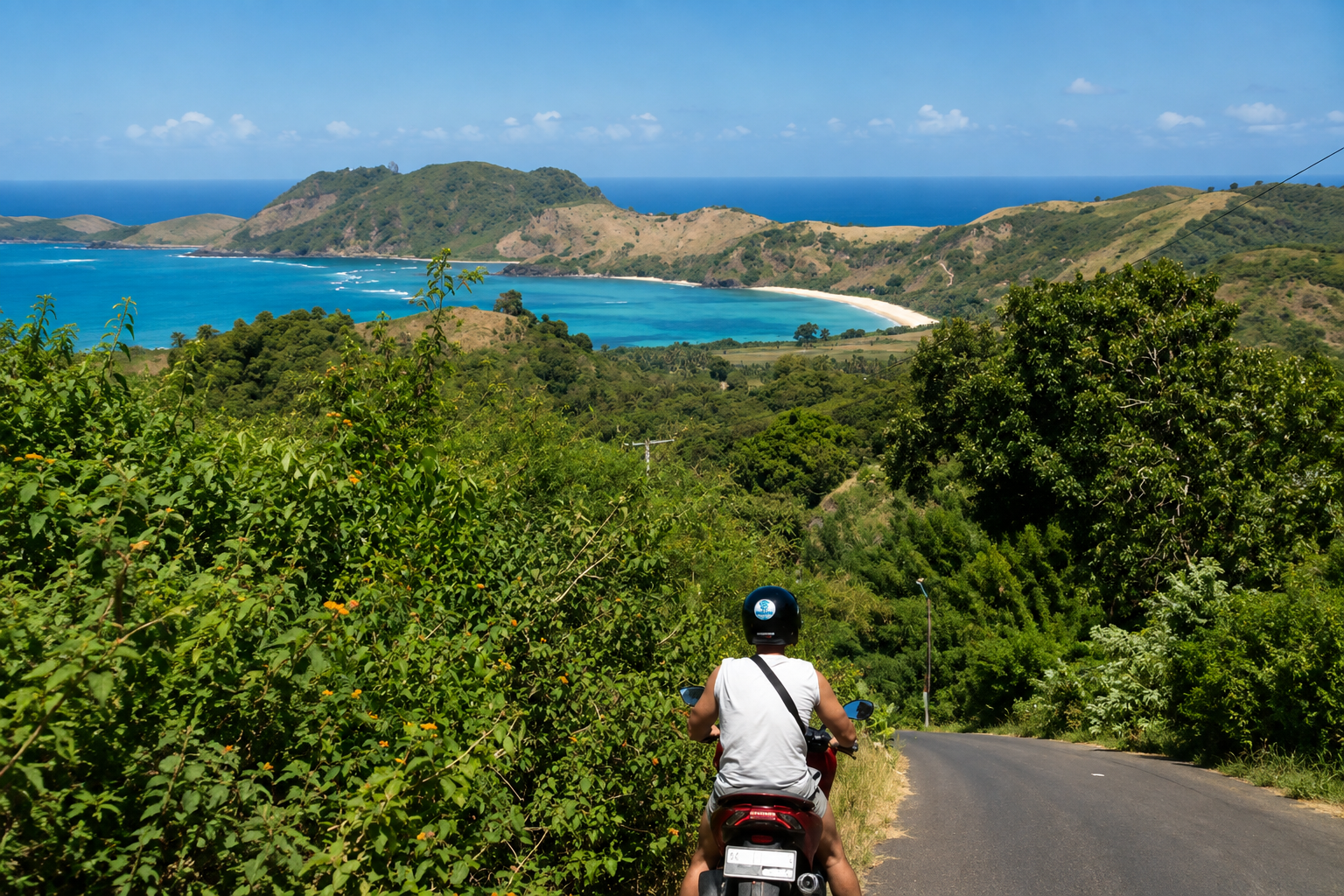
A drive is no longer something to get through before arriving. It becomes an opportunity to notice the changing landscape, stop for a roadside coffee, or take a different road simply because it looks interesting.
For travellers accustomed to tightly scheduled itineraries, this can feel almost unfamiliar at first. But that unfamiliarity is part of the point.
A Landscape That Changes With the Seasons
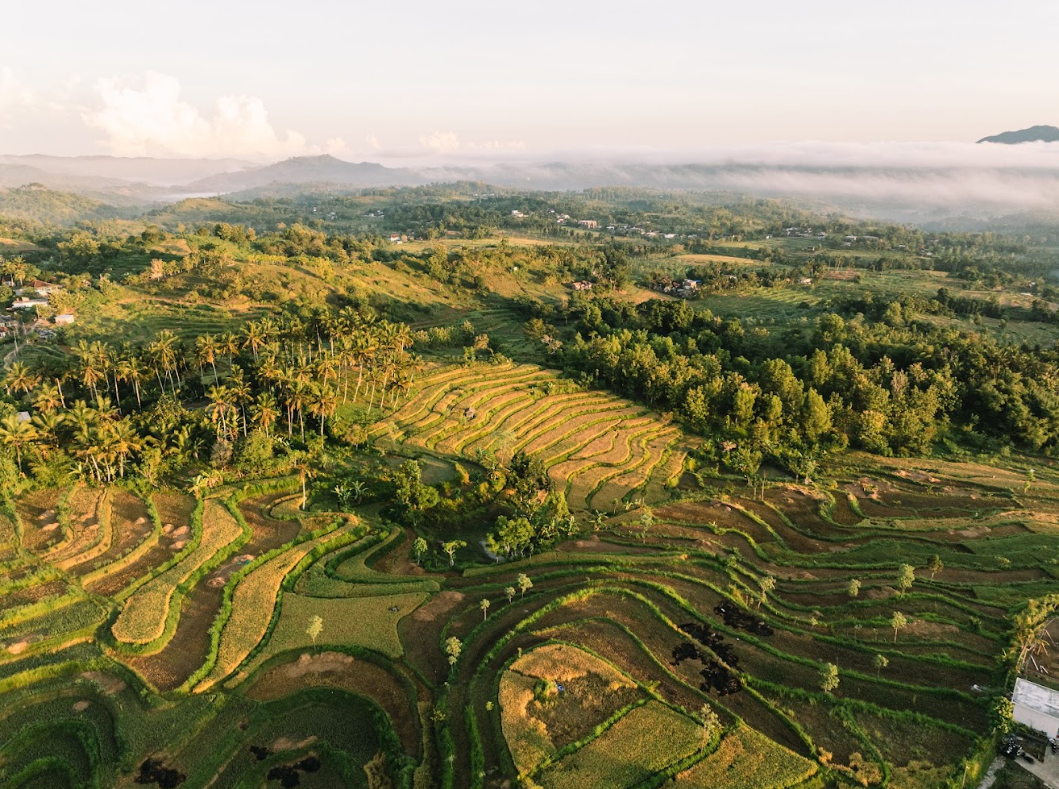
One of the most rewarding aspects of spending time in Lombok is noticing how different the island can feel depending on the season.
During the wet months, rice fields and hills become intensely green. Water collects in irrigation channels, vegetation grows quickly, and the landscape feels full and generous. As the dry season arrives, the same hills gradually turn golden and earthy. The colours become quieter, while the coastline takes on a sharper contrast against the dry landscape.
This seasonal rhythm is important because Lombok is not simply a backdrop for travel. It is a living landscape shaped by agriculture, weather and the daily routines of the people who live here.
Travelling slowly gives visitors the chance to see those changes rather than passing through them.
A morning walk might reveal farmers working in the fields. A drive through the countryside might coincide with cattle being moved along the road. In a village, the pace of activity may be dictated less by tourism than by the needs of the day.
These moments rarely appear on an itinerary.
They are also often the moments people remember.
The southern part of Lombok is particularly interesting because tourism and traditional rural life exist alongside one another. Around Mandalika, beaches and new hospitality developments are growing rapidly, while Sasak communities and longstanding cultural traditions remain part of the surrounding landscape.
Slow travel does not mean avoiding development altogether. It means taking the time to understand what existed before it, what is changing now, and what should remain.
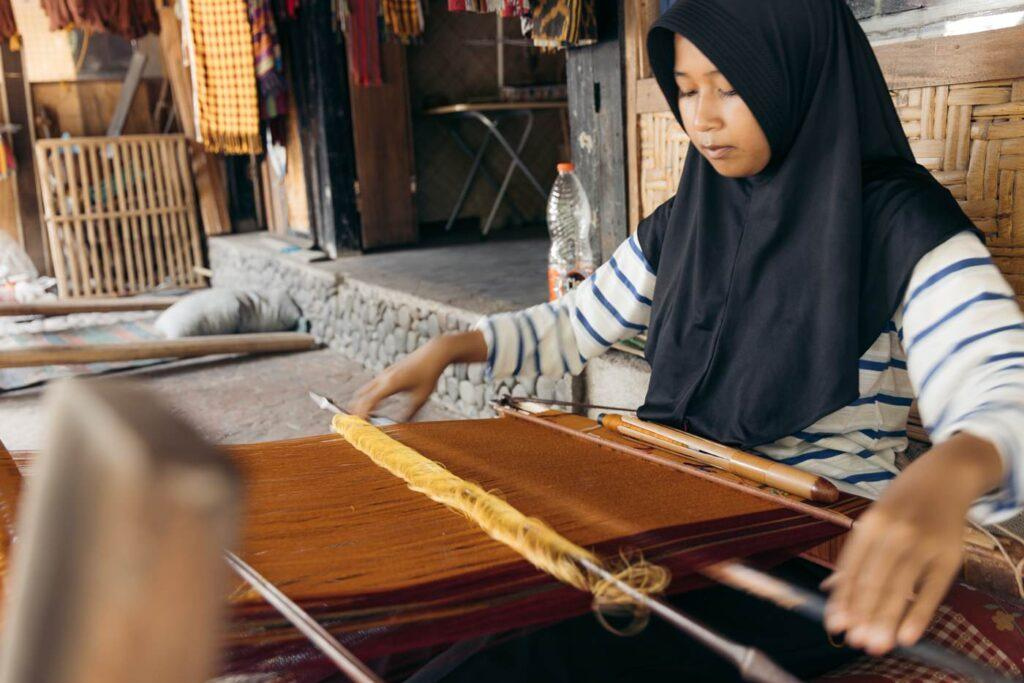
Meeting Lombok Through Its People
Travel becomes slower when places are understood through the people who live there.
Lombok is home to the Sasak people, whose traditions, architecture, crafts and daily life are deeply connected to the island. Around southern Lombok, villages such as Sade offer an opportunity to encounter traditional Sasak architecture and weaving practices. Other parts of the island are known for pottery, bamboo craftsmanship and handwoven textiles.
These traditions are not simply cultural attractions. They are skills passed between generations and, in many cases, part of local livelihoods.
For a visitor, the difference is in how the encounter happens.
There is a meaningful distinction between quickly photographing a traditional house and spending time learning why it was built that way. There is a difference between buying a textile because it looks beautiful and understanding the labour, pattern and technique behind it.
Slow travel creates space for those conversations.
It also encourages a more respectful relationship with the places being visited. A village is not a backdrop. A craftsperson is not an attraction. Food is not simply something to photograph.
The experience becomes richer when visitors approach these things with curiosity rather than consumption.
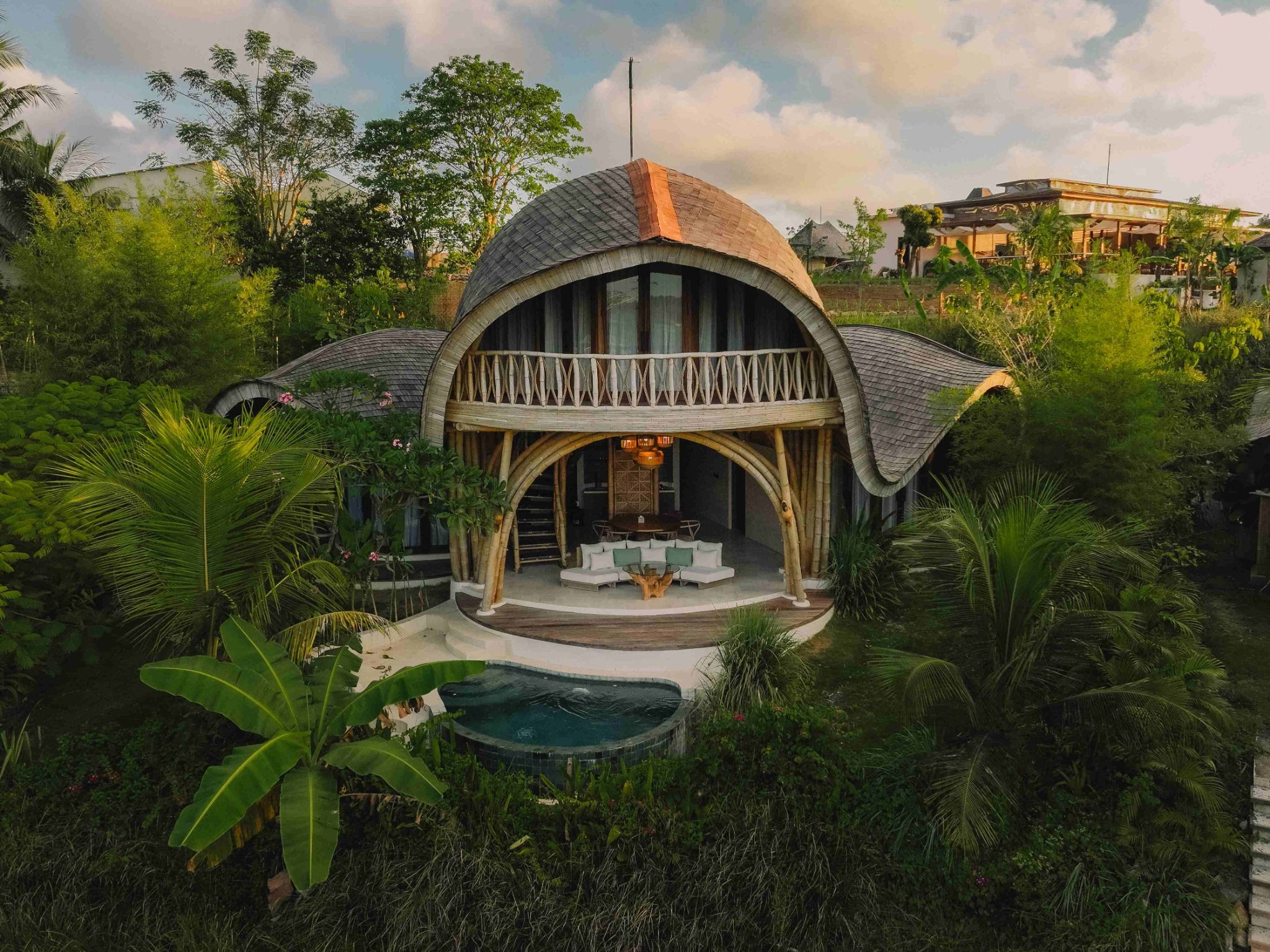
Architecture That Belongs to Its Setting
Architecture can also influence how slowly we experience a place.
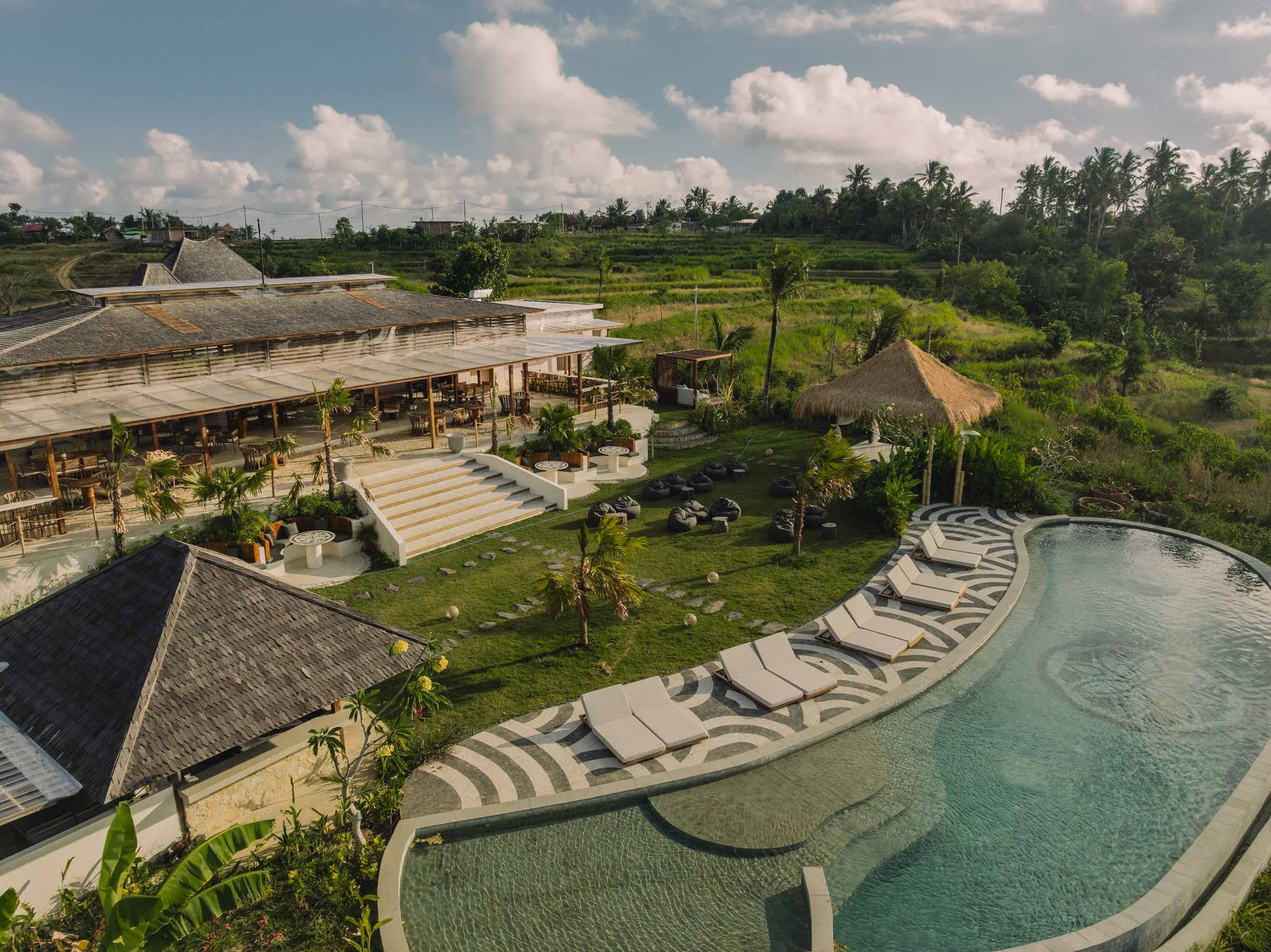
In Lombok, traditional buildings often respond directly to climate, materials and landscape. Contemporary architecture has the opportunity to learn from the same principles: shade, ventilation, natural materials, indoor-outdoor living and a closer relationship with the ground.
This thinking is central to the approach at Mandala Eco-Resort.
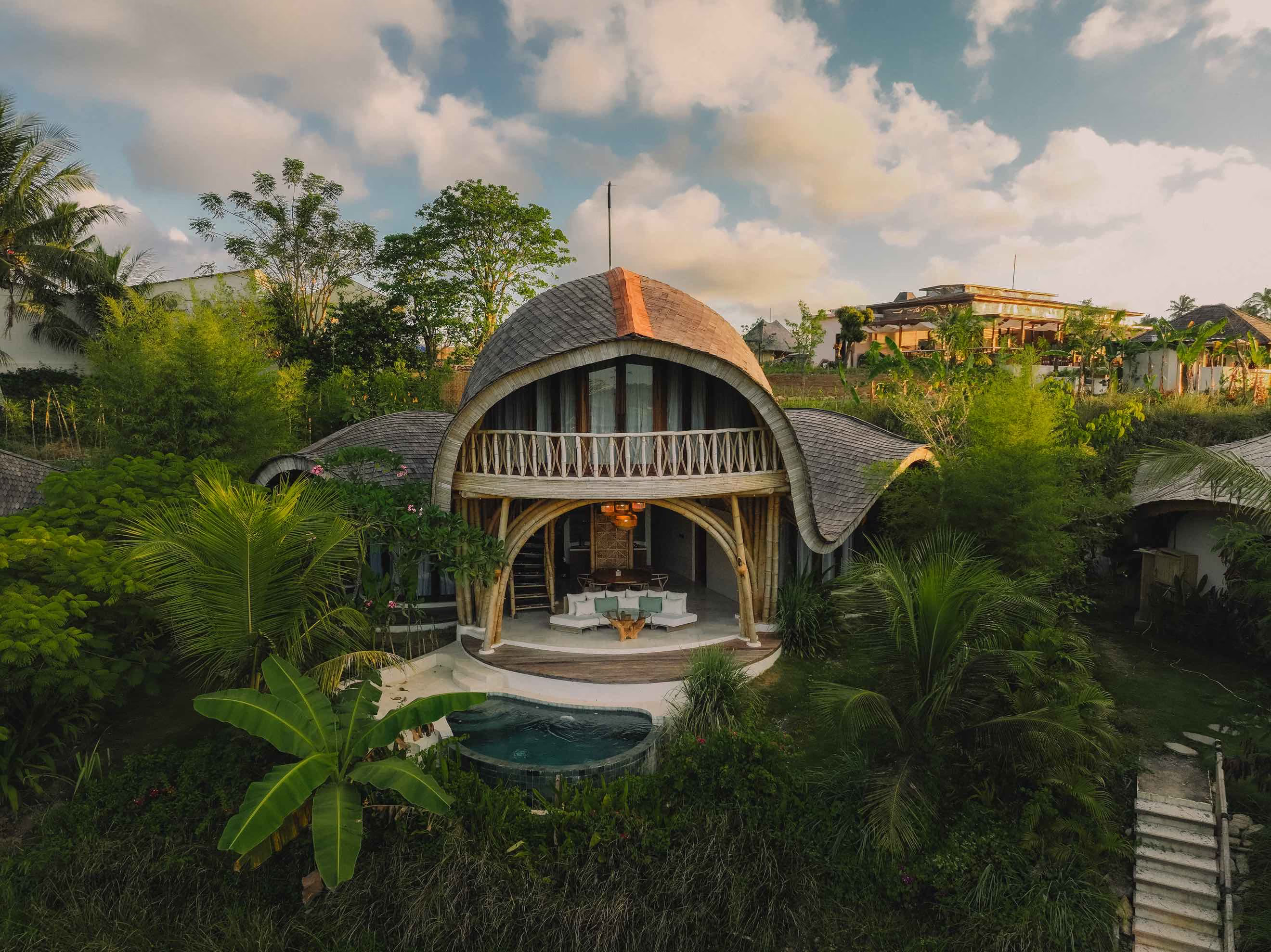
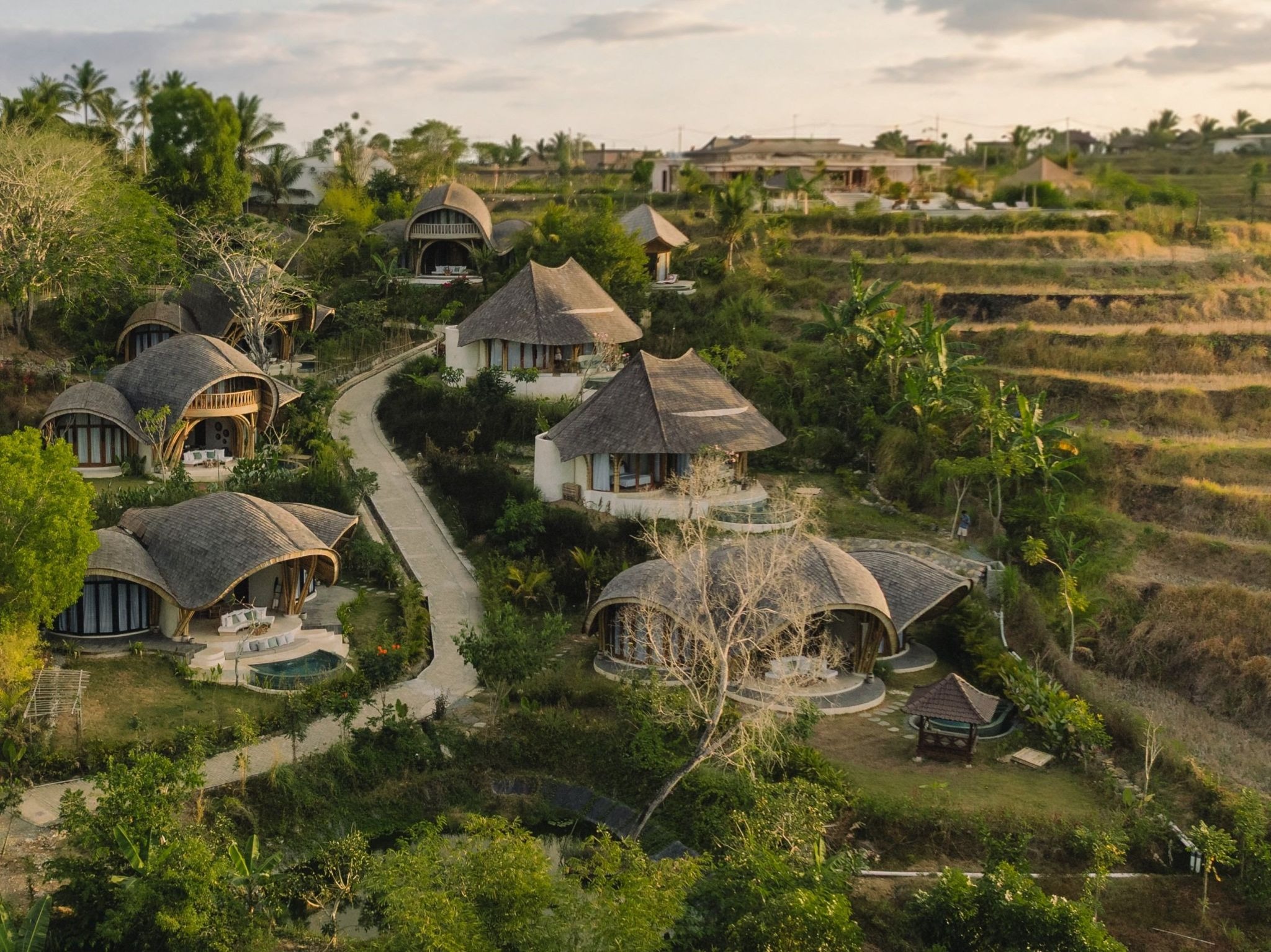
Rather than treating the landscape as a blank canvas, Mandala describes its development as following the natural contours of the land rather than reshaping it by force. Its architecture uses natural materials and open spaces to create a relationship between the villas and their surroundings. Bamboo is particularly visible in the resort's architecture, including the sweeping vaulted roof of Villa Coralia.
The result is less about making architecture disappear and more about allowing it to belong.
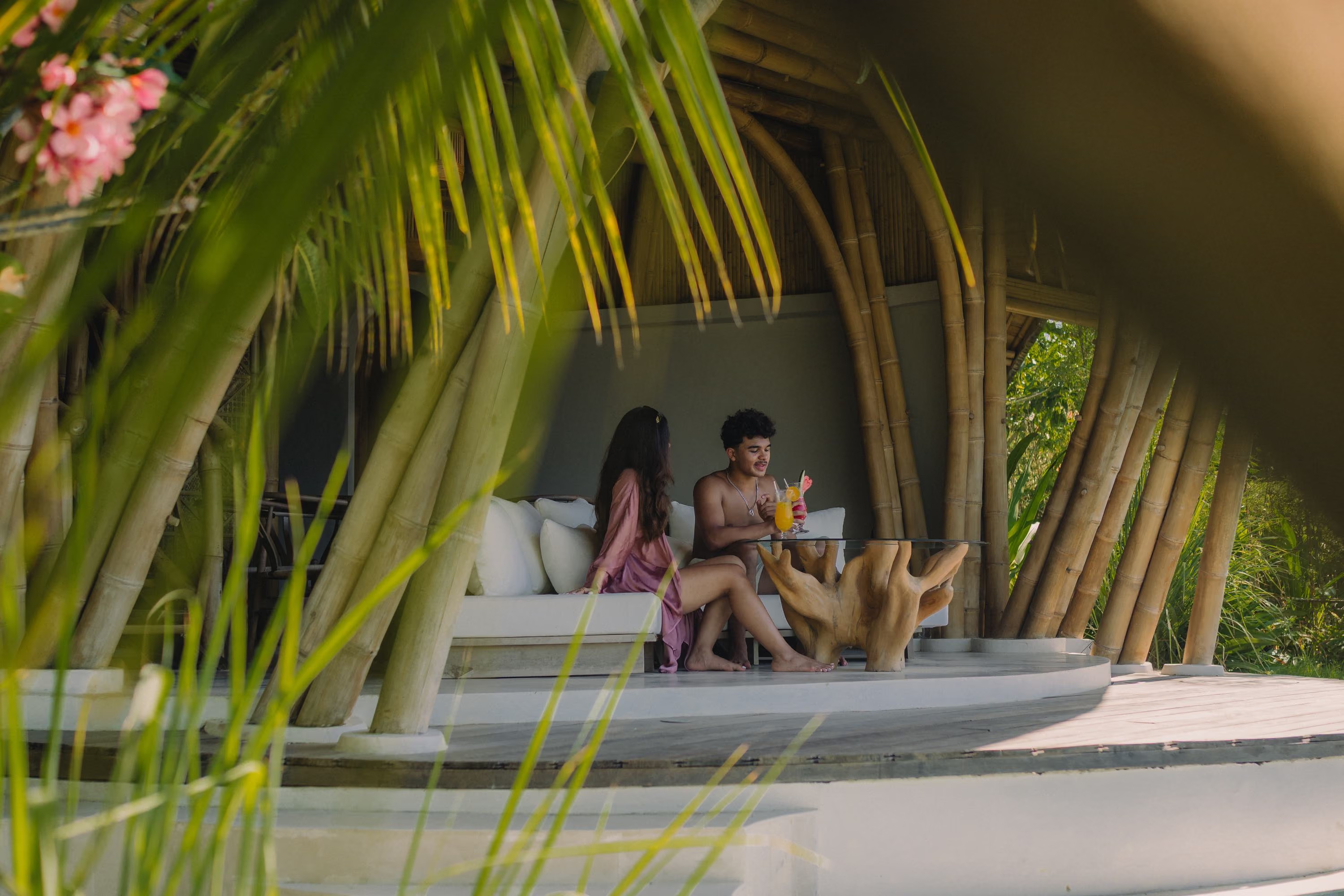
A shaded terrace becomes a place to sit through the afternoon. An open window frames the movement of trees rather than a television screen. A high bamboo roof allows the structure to feel generous without relying on unnecessary ornament.
These are architectural decisions, but they also shape behaviour.
Good spaces can encourage people to slow down without telling them to.
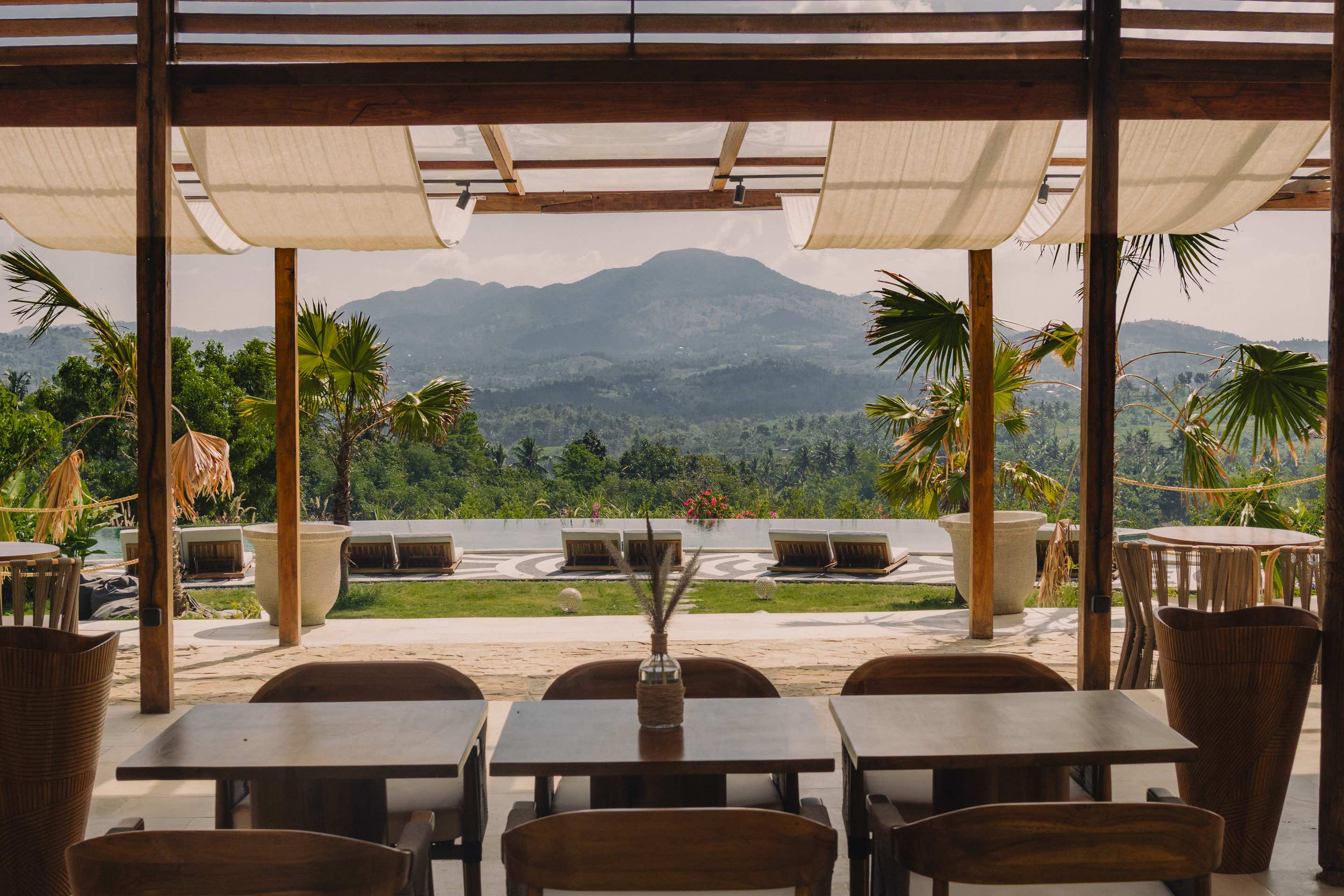
Eating With the Landscape
Food is another way to experience a destination slowly.
Instead of treating meals as breaks between activities, slow travel turns them into part of the journey. In Lombok, this can mean eating local ingredients, visiting a market, trying a simple warung, or learning where food comes from.
At Mandala, the connection between food and place is reflected in its farm-to-table approach and permaculture initiatives. The resort describes its broader philosophy around sustainable living as including farm-to-table dining, permaculture and relationships with local farmers and communities.
The idea is simple but significant: the shorter the distance between the landscape and the plate, the more visible the relationship between food and place becomes.
A meal can tell a story about rainfall, soil, farming, fishing, seasonality and local taste.
And sometimes the most memorable meal is not the most elaborate one. It is the one eaten slowly, under a shaded roof, while the afternoon changes outside.
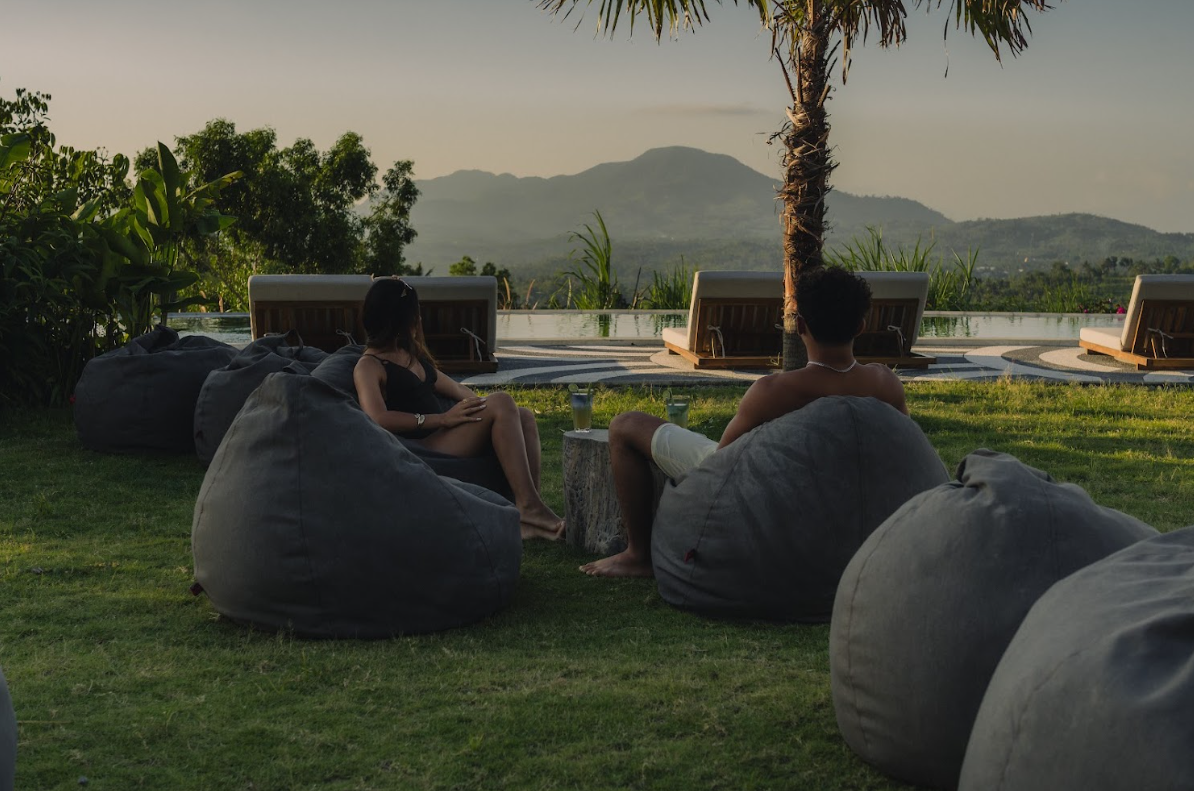
Staying Long Enough to Notice
The most meaningful form of slow travel may simply be staying long enough for a place to become familiar.
The first morning in Lombok, the sound of a rooster may feel like part of the holiday. By the fifth morning, it becomes part of the rhythm of the day. A road that initially looks unfamiliar begins to feel recognisable. You start to know which hill appears behind the palms in the afternoon, where the light falls at sunset, and which local shop is open in the morning.
This is a small transformation, but it changes the relationship between traveller and destination.
Mandala's philosophy is built around this idea of conscious living: creating spaces where guests can reconnect with nature, community and quieter daily rhythms rather than simply consuming a series of experiences. Its sustainability framework includes building and infrastructure, wellbeing, permaculture, community empowerment and responsible waste management.
The important thing is that these principles do not need to remain inside the resort.
A slow approach to Lombok can continue beyond its gates.
Walk instead of driving when practical. Choose locally owned businesses. Spend time with local makers. Eat seasonal food. Carry less. Stay longer. Ask before photographing people. Leave natural places as you found them.
None of these actions are particularly dramatic.
Together, they change the character of a journey.
Image suggestion: A quiet Mandala morning scene—villa terrace, person walking through the landscape, coffee outdoors, or a moment of stillness with the surrounding hills and trees.
Lombok, Without Rushing It
Lombok does not need to be experienced all at once.
There will always be another beach, another waterfall, another viewpoint and another road to explore. But the island's real character often appears in the spaces between those destinations.
It is in the changing colour of the hills.
In the sound of village life beginning in the morning.
In the texture of bamboo beneath your hand.
In a meal made with ingredients grown nearby.
In a conversation that lasts longer than expected.
As Lombok continues to develop, slow travel offers a useful counterpoint to the pressure to see more, build more and move faster. It asks a different question: not how much can be experienced, but how deeply can a place be understood?
Perhaps that is the quiet luxury of travelling slowly.
You arrive with fewer expectations, notice more along the way, and leave with something more lasting than a list of places visited.
You leave knowing a little more about where you have been.