

There are places where food is simply something to eat, and there are places where a meal offers a way into understanding the landscape itself.
Lombok belongs to the second kind.
The island’s food is often described through its intensity: fiery sambal, grilled chicken, fresh vegetables, fragrant spices. But focusing only on flavour misses much of what makes Lombok’s cuisine distinctive. Food here is closely connected to the island’s agricultural landscape, its water, its seasons, its villages and the people who prepare it.
For the Sasak people, who form the majority of Lombok’s population, food is part of a wider culture shaped by everyday relationships with land and community. A dish can tell you something about what grows nearby, what is available at a particular time of year, or how families gather around a shared table.
This is perhaps one of the most rewarding ways to experience Lombok: not by searching for the most elaborate meal, but by paying attention to the ordinary ones.
Read more: Wellness, Nature, and Eco-Tourism: A Different Way of Experiencing Lombok
Food That Begins With the Landscape
Lombok’s geography has a strong influence on what appears on the table.
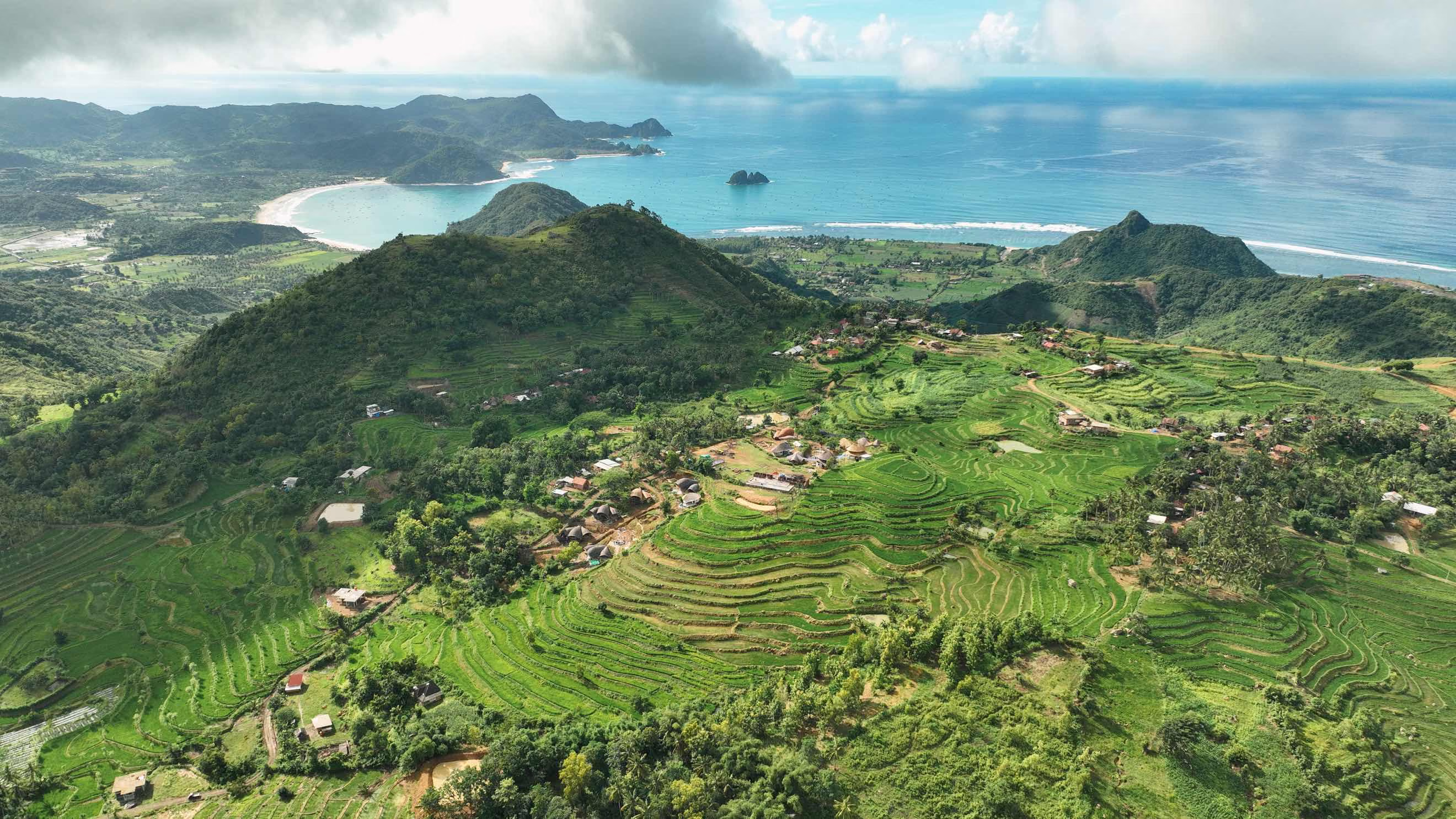
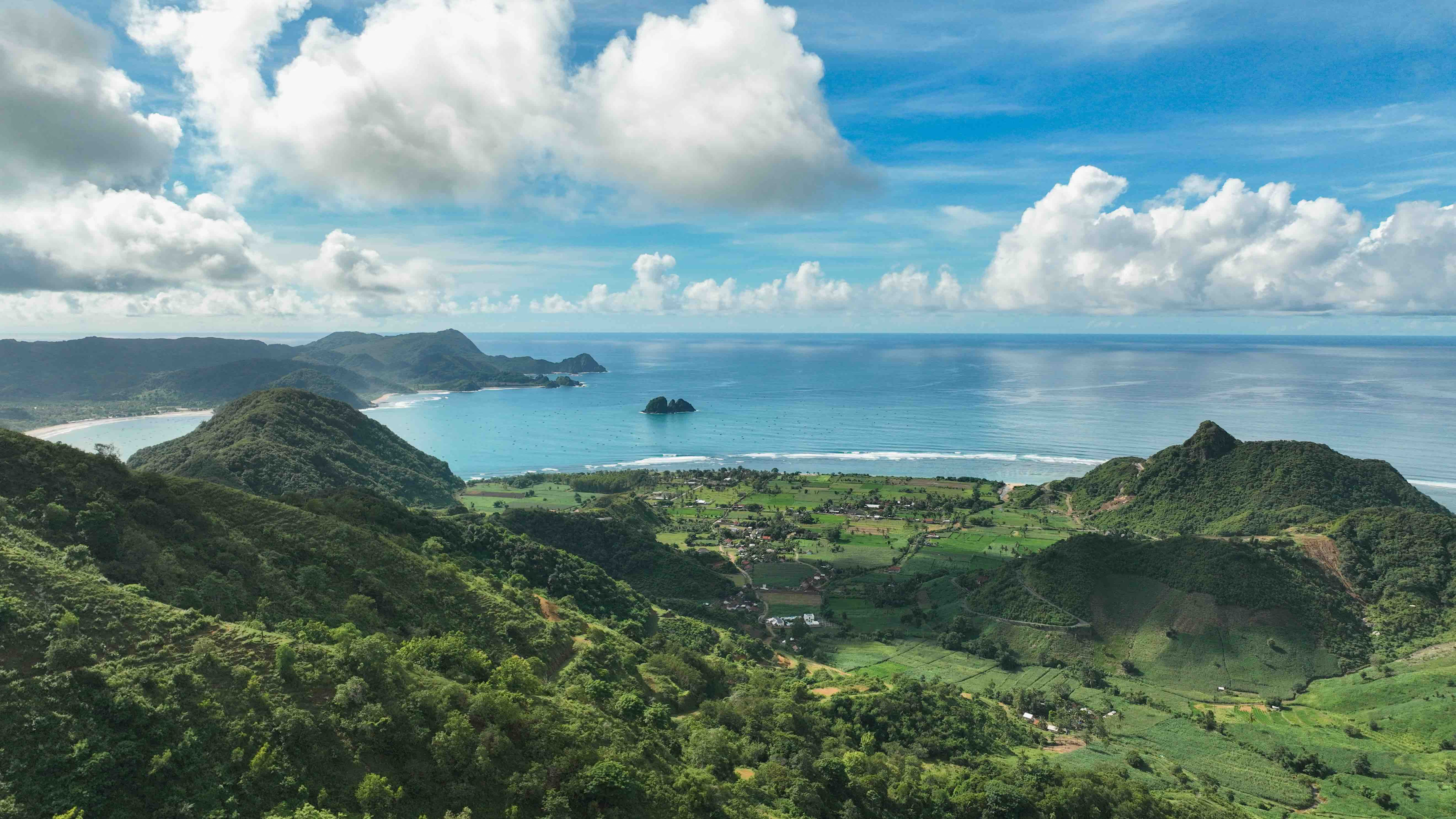
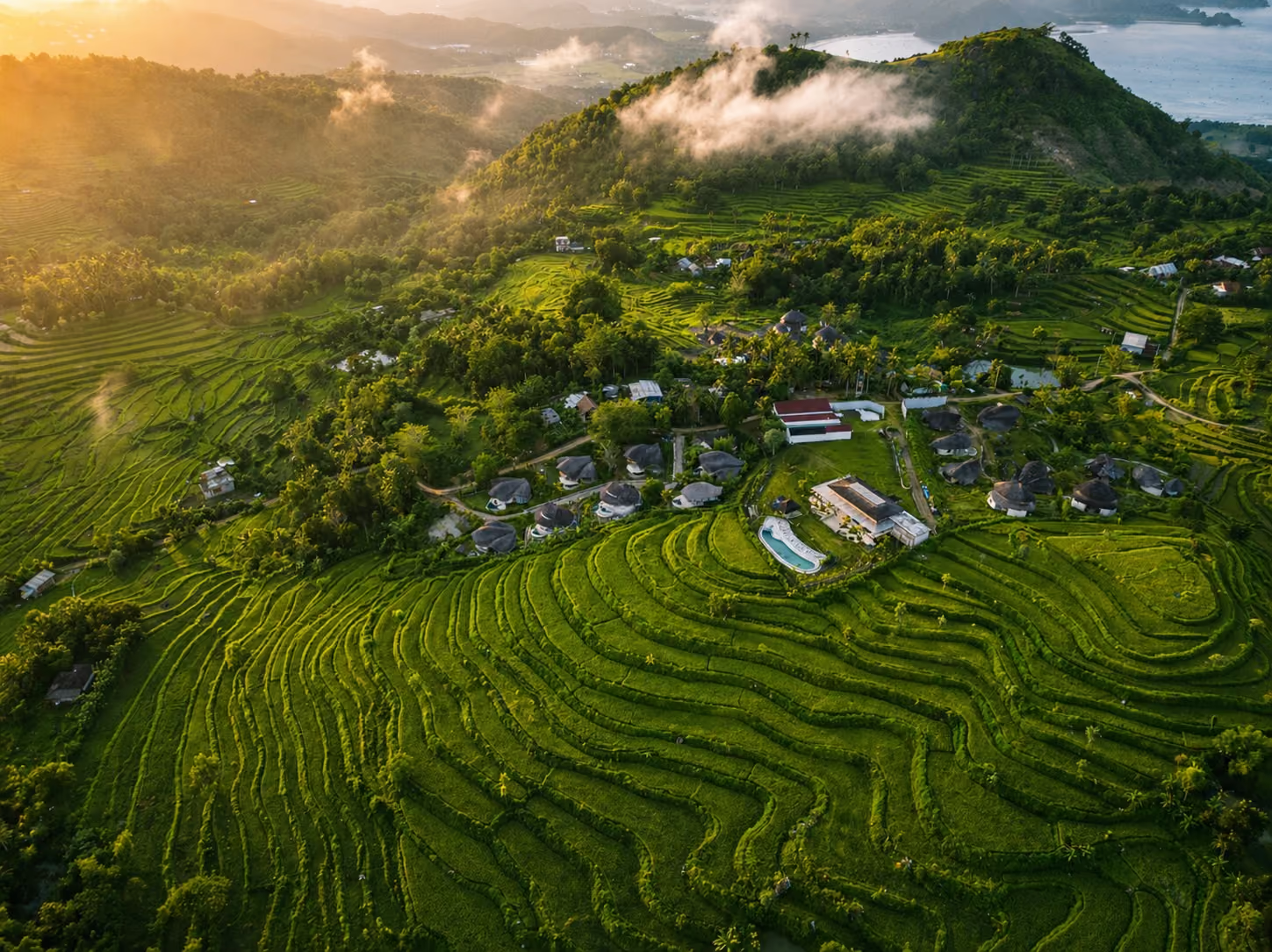
The island stretches from the forested slopes of Mount Rinjani to dry southern hills and long coastal landscapes. Between them are rice fields, gardens, waterways and villages where agriculture remains an important part of daily life.
One simple example is plecing kangkung, one of Lombok’s most recognisable dishes. At first glance, it is uncomplicated: water spinach, briefly cooked and served with a fresh sambal made from ingredients such as chilli, tomato, shrimp paste and lime. Yet even this modest dish carries a connection to the landscape. Water spinach is traditionally cultivated in water-rich environments, including the irrigation channels and waterways associated with Lombok’s agricultural areas.
The dish demonstrates something characteristic of Lombok cooking: ingredients do not necessarily need to be transformed beyond recognition. Freshness, heat, acidity and texture are allowed to remain clear.
This is part of what makes local food feel connected to place. The further removed food becomes from its source, the harder it can be to understand the landscape behind it. In Lombok, many traditional dishes still retain that connection.
The Heat of Lombok
Chilli is one of the most immediately noticeable elements of Lombok’s cuisine, but the importance of spice goes beyond simply making food hot.
Sambal often provides balance as much as intensity. Fresh tomato brings acidity and sweetness, lime adds brightness, while shrimp paste gives depth. The result can be powerful without being complicated.
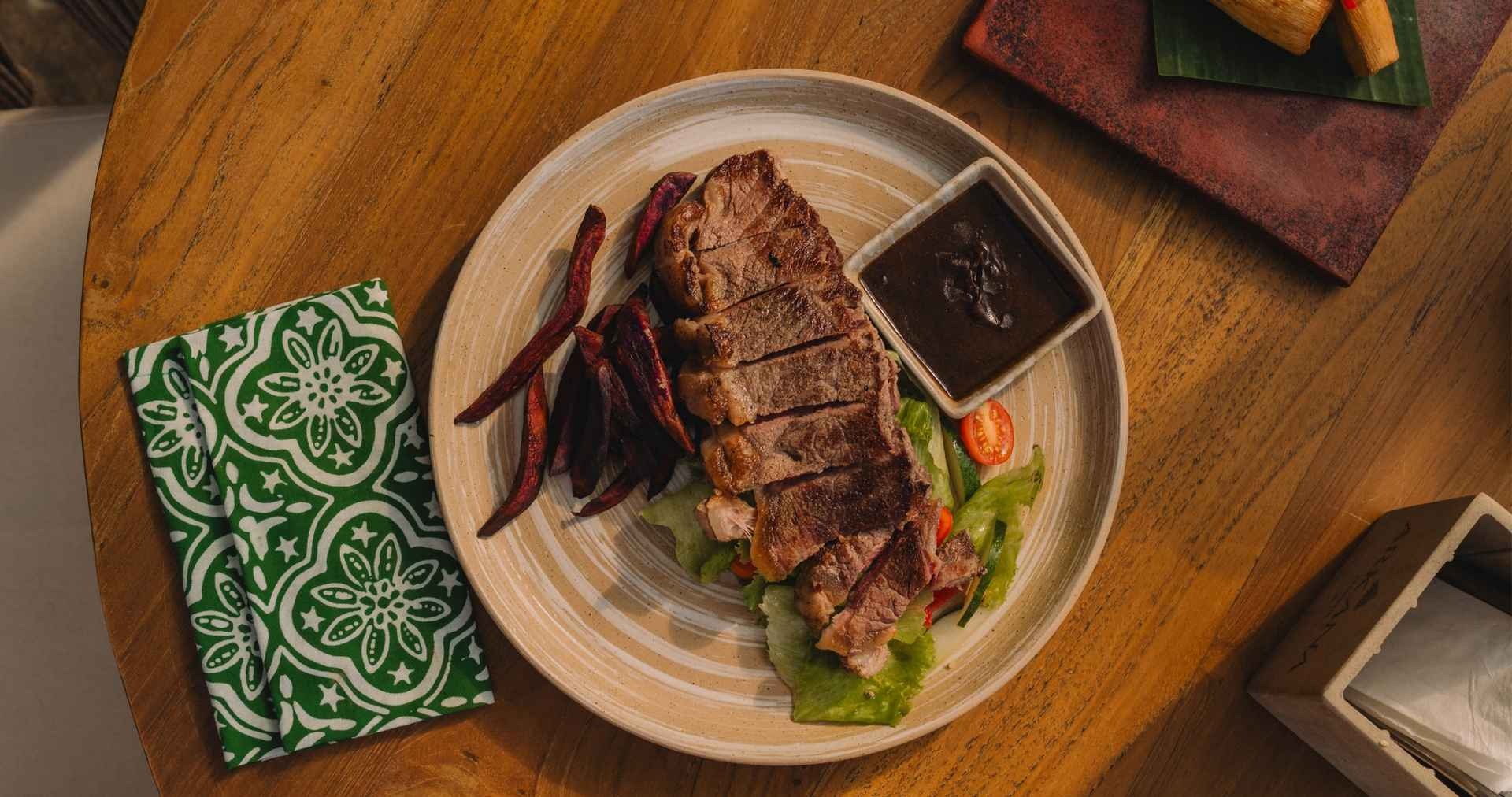
Perhaps the best-known example is ayam taliwang, a young chicken traditionally grilled or fried and coated with a strongly seasoned mixture of chilli, garlic, shrimp paste and other spices. It is commonly accompanied by plecing kangkung and rice.
The dish also carries a history that reflects Lombok’s position within a wider network of cultural exchange. The name and history of ayam taliwang are associated with Taliwang in neighbouring Sumbawa and with historical interactions between Sumbawa and Sasak communities in Lombok.
That history is worth remembering because Lombok’s food culture is not a closed system. Islands in eastern Indonesia have long been connected through migration, trade, marriage and movement. What we now think of as “local” cuisine is often the result of generations of exchange.
The Table as a Place of Gathering
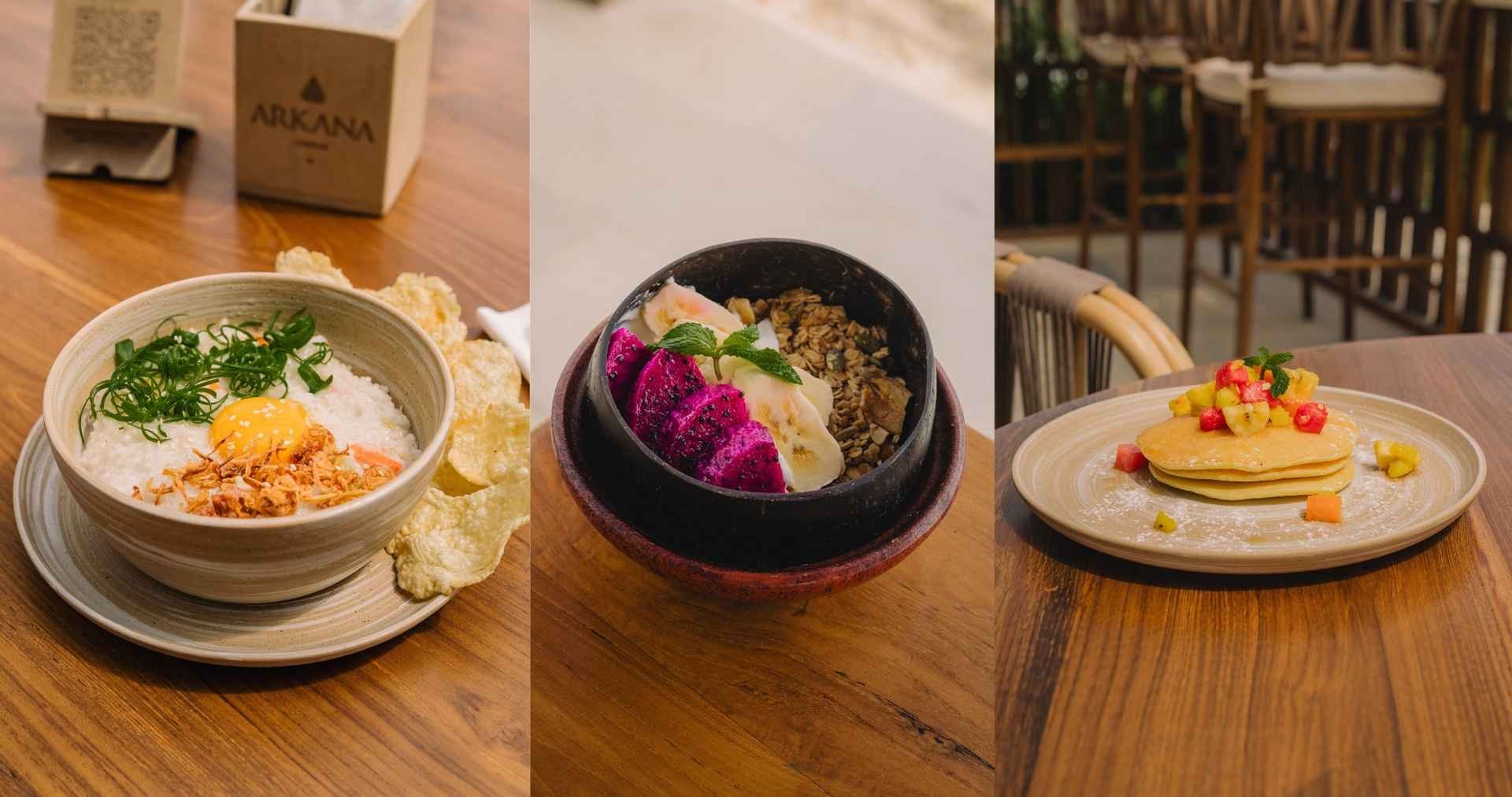
Food is also inseparable from hospitality.
In Lombok, meals can be a reason to sit together, talk and spend time. This is especially noticeable when food is prepared for families, celebrations or community gatherings. Traditional dishes are rarely understood only as individual portions; they belong to a larger culture of sharing.
That quality is easy to overlook when travelling. Restaurants naturally present food as a finished product: plate, table, photograph, menu. But the cultural meaning of a dish often exists before it reaches the plate.
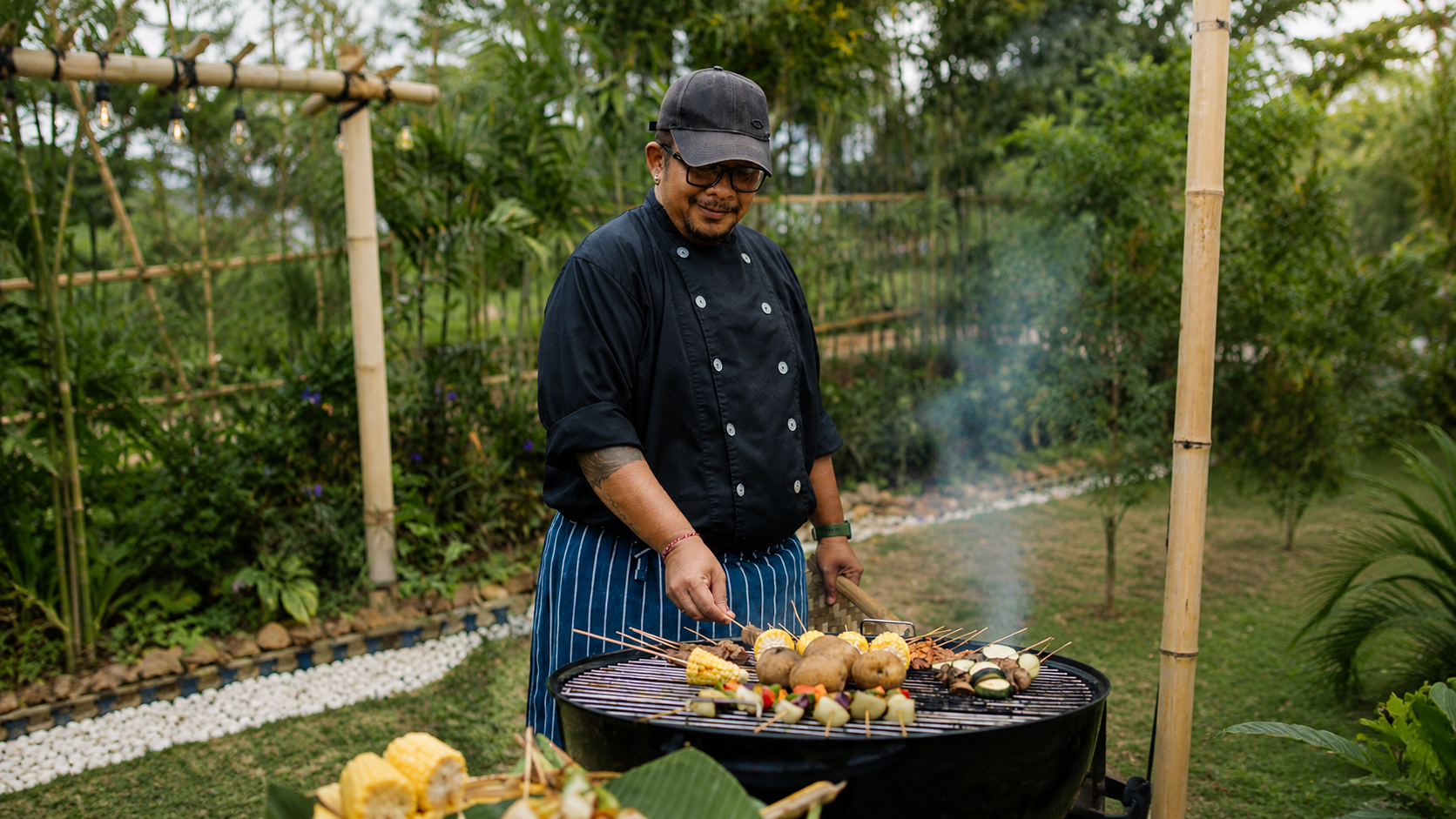
It begins with someone choosing the ingredients, preparing the spices, tending the fire and deciding when the food is ready.
The process matters.
For visitors, slowing down enough to notice that process can change the experience of eating in Lombok. A local meal becomes less about consuming something “authentic” and more about understanding the work, knowledge and relationships behind it.
This is also why small family-run kitchens, local markets and everyday warungs can sometimes reveal more about a place than highly curated dining experiences. They show food as part of life rather than as a performance created for visitors.
Beyond the Famous Dishes
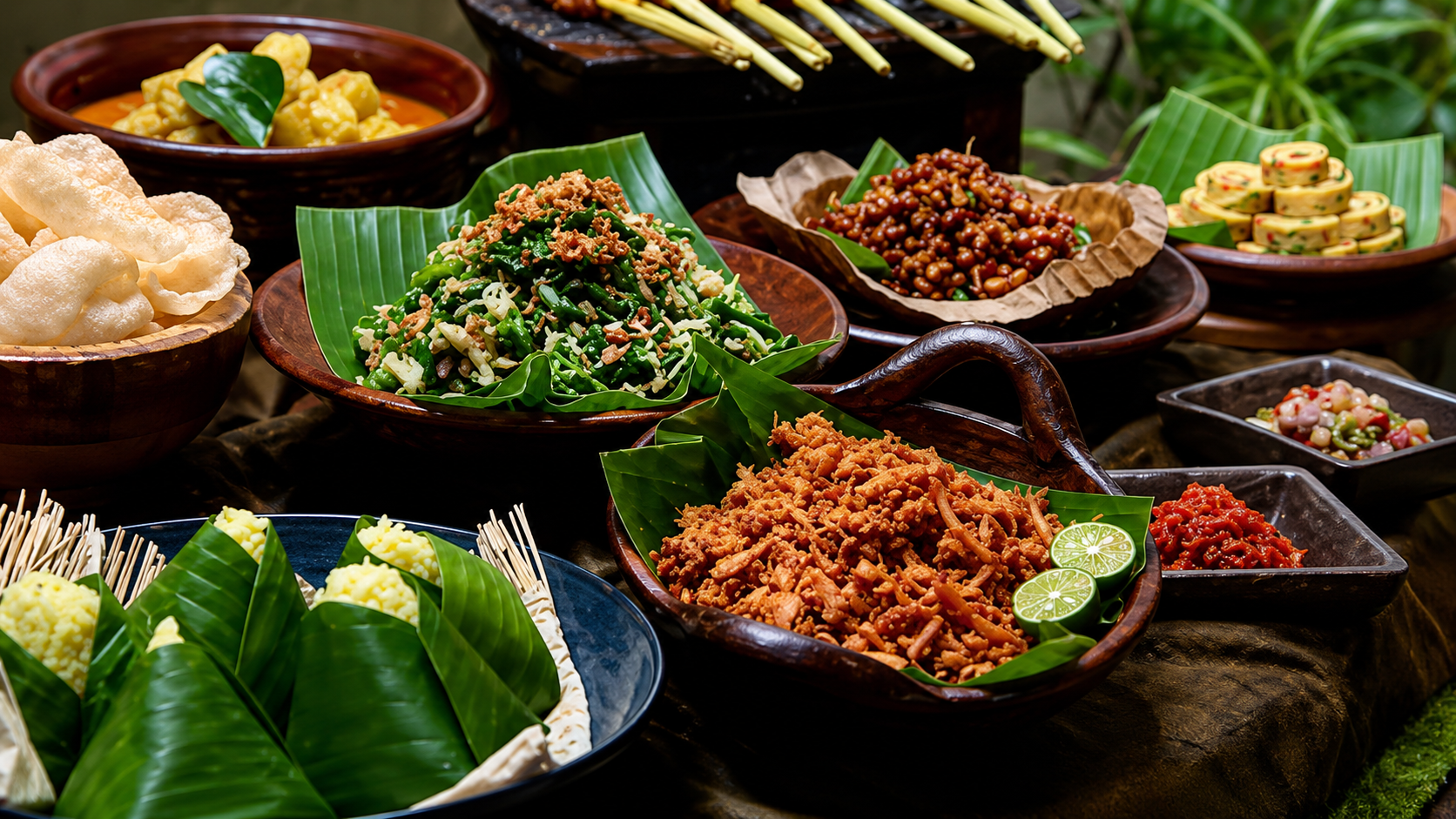
Ayam taliwang and plecing kangkung may be the dishes most visitors encounter first, but Lombok’s culinary landscape extends much further.
There is sate rembiga, a spicy beef satay associated with Rembiga in Mataram; sate bulayak, served with small cylindrical rice cakes; beberuk, a fresh eggplant-based sambal; and many regional dishes that receive far less attention outside the island.
This variety is important because there is no single dish capable of representing an entire culture.
Food changes between communities, households and generations. Recipes are adjusted according to taste, availability and circumstance. A dish prepared in a village kitchen may not taste exactly the same as one served in a restaurant, and neither needs to be considered more authentic.
What remains consistent is a certain relationship with flavour: fresh ingredients, generous seasoning, chilli, herbs, grilled or simply cooked foods, and an appreciation for contrast.
This makes Lombok food particularly suited to slow travel. You do not need to understand everything at once. A meal can be an invitation to become curious.
Local Culture in the Architecture of Everyday Life
Culture is not only found in ceremonies, clothing or traditional objects. It is also visible in how people build, cook, gather and use space.
Traditional Sasak settlements demonstrate this relationship clearly. Houses and village layouts developed in response to local materials, climate, social structures and ways of life. The same principle can be seen in contemporary Lombok when architecture responds to its surroundings rather than attempting to dominate them.
This is an idea that is particularly relevant to Mandala.
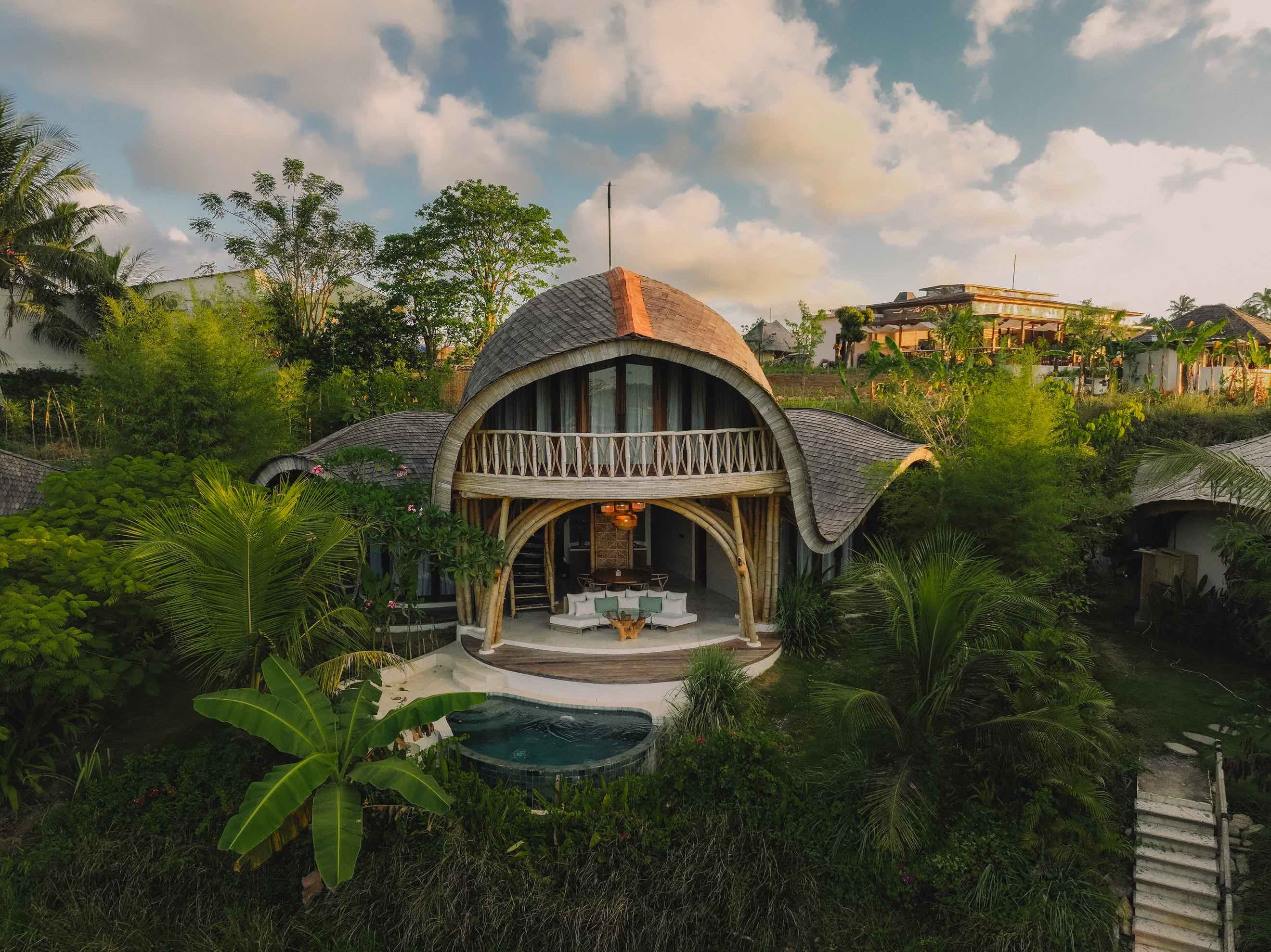
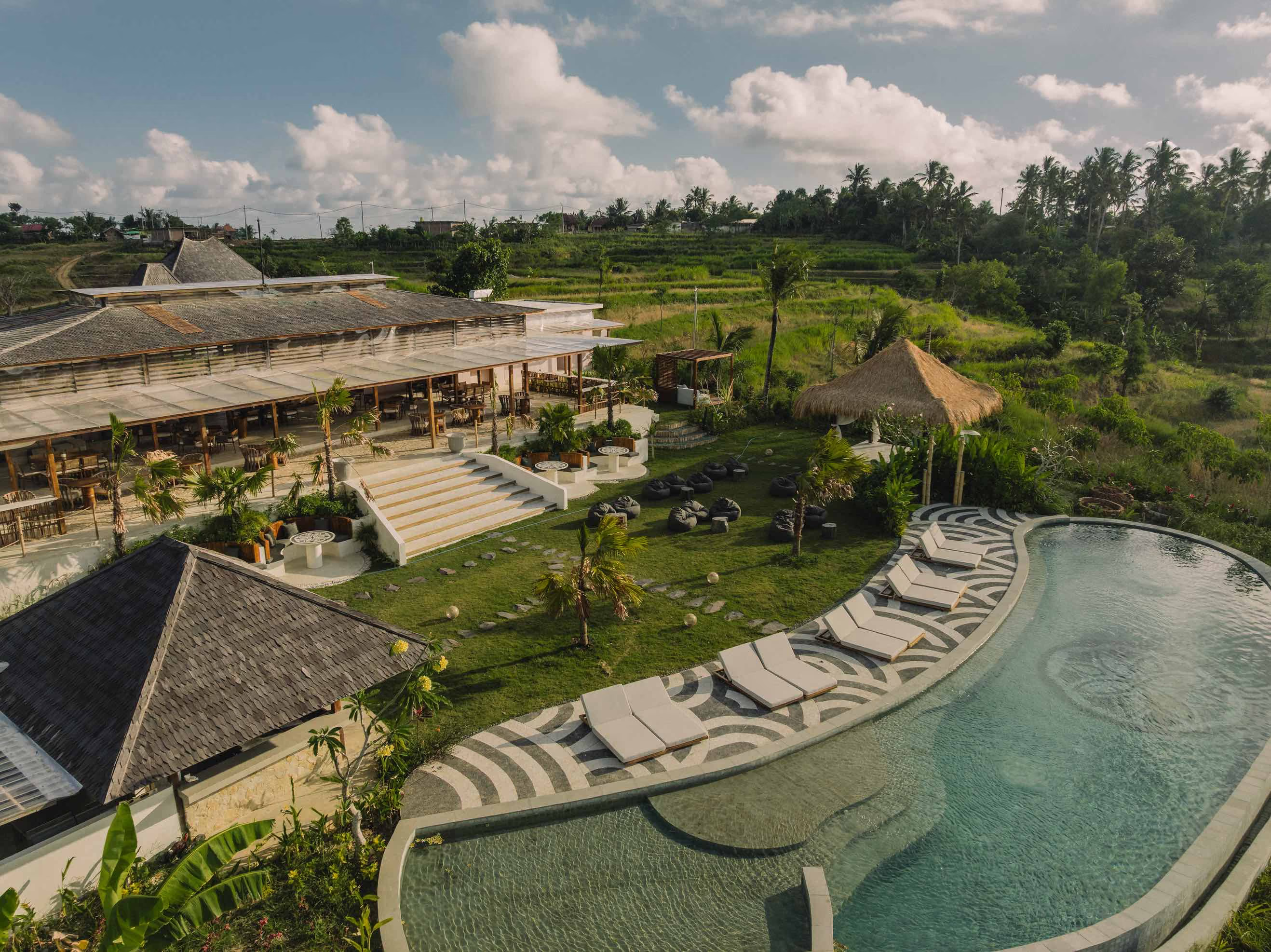
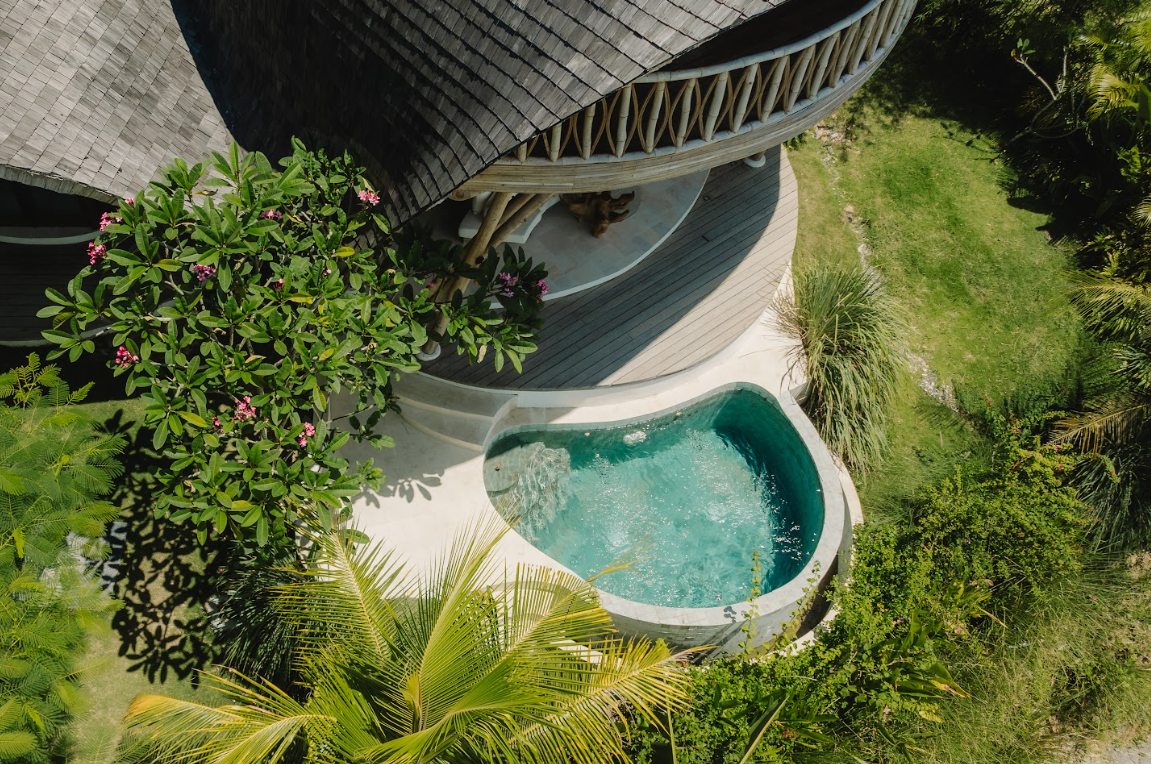
At Mandala, the architecture is rooted in an appreciation for natural materials and the surrounding landscape, with bamboo playing an important role in the built environment. Rather than treating local character as decoration added after the architecture is complete, the intention is to allow materials, climate and landscape to influence the experience of the spaces themselves.
The approach reflects something found throughout Lombok: a preference for materials and techniques that make sense within their environment.
There is a useful connection here between architecture and food.
Both begin with what is available.
A kitchen starts with local ingredients and transforms them through knowledge and technique. Architecture begins with material, climate and place, then turns them into shelter and experience. In both cases, good results depend less on adding more and more, and more on understanding what is already there.
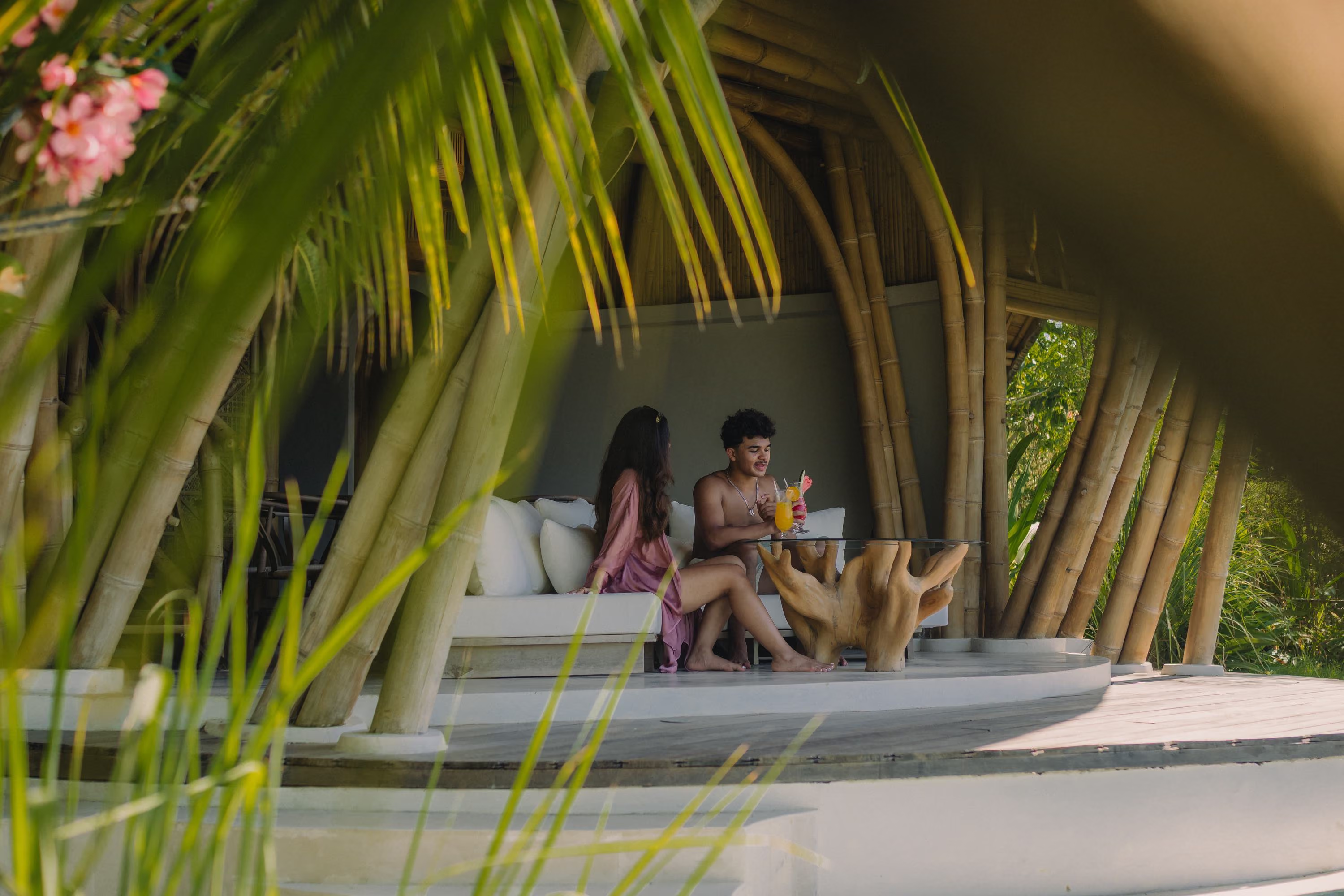
Image suggestion: Mandala photography showing bamboo structural details, handcrafted elements, open-air spaces and the relationship between buildings and the surrounding landscape.
A More Meaningful Way to Eat in Lombok
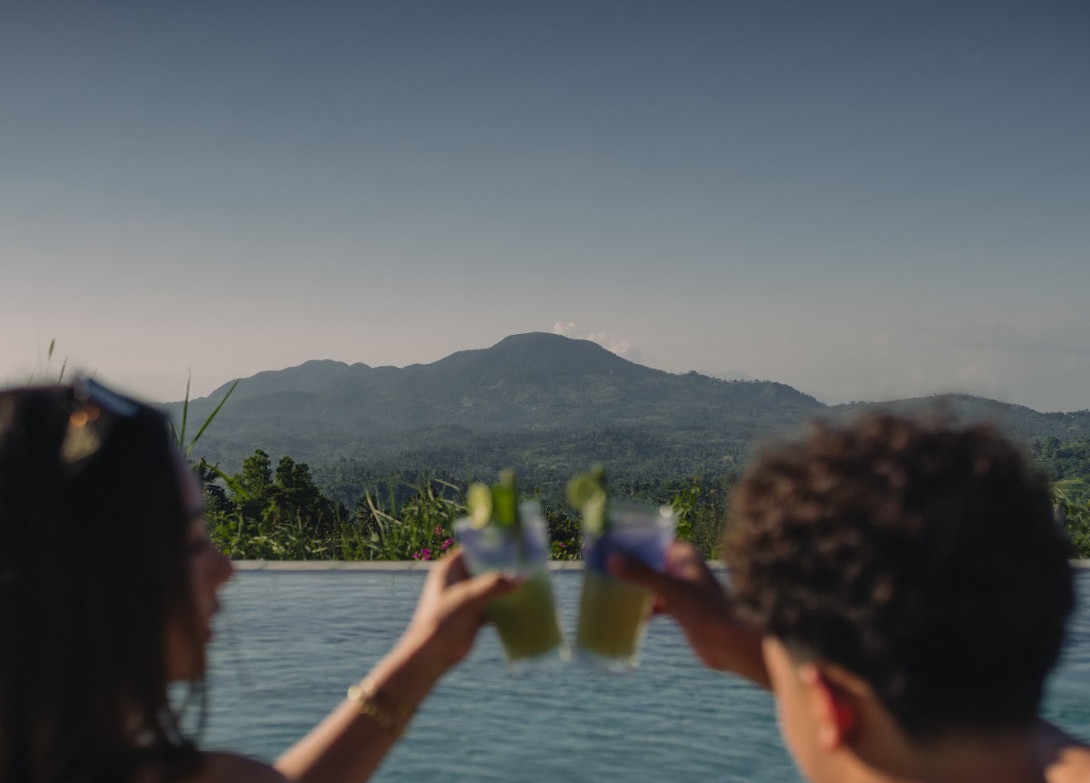
Experiencing local food does not have to mean following a checklist of dishes.
It can mean asking where an ingredient came from. Watching someone prepare sambal by hand. Sitting at a table long enough for a conversation to begin. Visiting a market in the morning. Eating vegetables grown close to where they are served. Learning the name of a dish instead of simply photographing it.
These small gestures create a different relationship with travel.
They move the experience away from consumption and towards attention.
For a place like Lombok, this matters. The island is changing quickly, particularly in the south, where tourism and new development are reshaping landscapes and creating new opportunities. Preserving local culture does not mean keeping it frozen in the past. Culture remains alive precisely because people continue to cook, build, work, adapt and pass knowledge between generations.
The challenge is to allow that evolution to happen without losing the connections that make the place distinctive.
Food offers a surprisingly simple way to begin.
A plate of plecing kangkung can reveal something about water and agriculture. A piece of ayam taliwang can carry a history of movement between islands. A shared meal can reveal something about hospitality. A bamboo structure can demonstrate how material and environment can shape contemporary design.
None of these experiences need to be spectacular.
In fact, their value often comes from their simplicity.
To understand Lombok through its food is ultimately to understand that the island’s culture is not something separate from its landscape. It is woven into everyday life: into the fields, the kitchens, the materials, the markets and the tables where people continue to gather.
And perhaps that is the most meaningful way to experience local culture not simply to taste what Lombok has to offer, but to understand a little more about where that taste comes from.